South Receives $3 Million GoMESA Grant
Posted on August 20, 2026
With a $3 million grant from the Gulf of Mexico Energy Securities Act, the University of South Alabama will provide students a unique experiential learning opportunity and, at the same, better connect USA Technology & Research Park to the rest of campus.
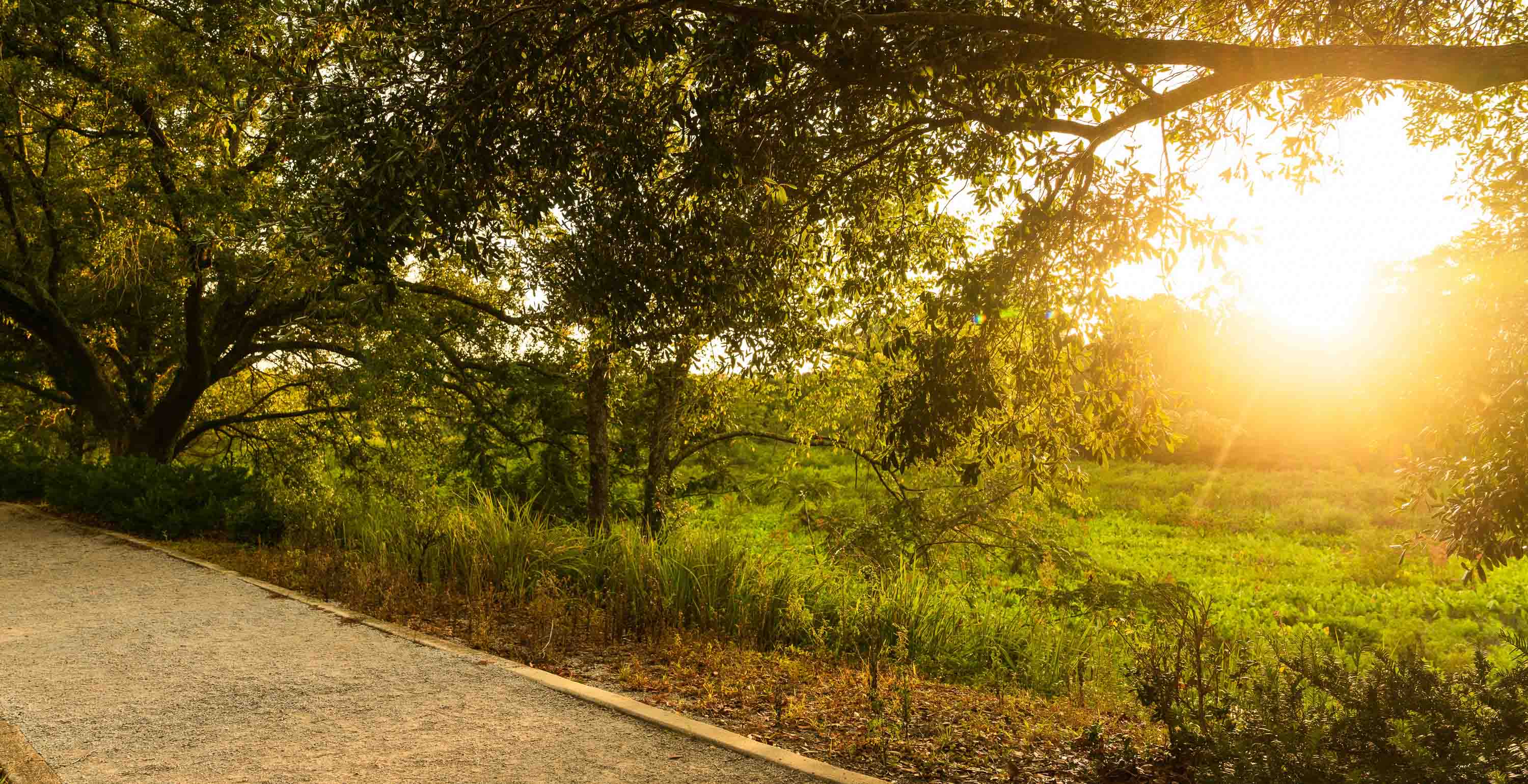
The project will include a 30-foot-by-30-foot elevated outdoor classroom located on Three Mile Creek near the Glen Sebastian nature trails. The grant, from shared revenue from offshore oil and gas leases, also will support construction of approximately 1,500 feet of 8-foot-wide walkways over the water and marsh, providing a direct route for pedestrians and bicyclists from academic buildings on USA North Drive to Technology and Research Park.
“This new funding will turn a large section of our campus into an outdoor laboratory, leveraging the campus’ extensive network of nature trails, green spaces and now will provide a central hub around the prominent lake feature of our campus,” said University of South Alabama President Jo Bonner.
This outdoor living lab is another element in a network of the University’s outdoor areas for hands-on education that also includes Aloe Bay on Dauphin Island and the University’s partnership with the Dauphin Island Sea Lab.
“This network of outdoor living laboratories, as well as our proximity to the Mobile-Tensaw River Delta, Mobile Bay and the Gulf, fulfills our promise to students that there is no better place to study marine and environmental sciences than the University of South Alabama,” said Dr. Sean Powers, professor and director of the Stokes School of Marine and Environmental Sciences.
The on-campus outdoor classroom will provide an ideal setting for addressing pressing conservation issues including native habitat conservation, invasive species management, stormwater run-off, water quality and the benefits of nature-based solutions. It will be built with fortified features providing engineering classes with an on-campus setting for teaching about storm resilience. The classroom is a key proposal in a 10-year master plan taking shape.
“Our vision is to create a world-class resource for sustainability education and research, and this project brings together ideas from across campus, including the Stokes School of Marine and Environmental Sciences, the Department Civil, Coastal and Environmental Engineering and many others,” said Dr. Steven Scyphers, USA chief sustainability officer and professor in the Stokes School of Marine and Environmental Sciences.
Planning for the outdoor classroom and boardwalk will begin later this year.