Whiddon College of Medicine advances strategic planning for its next chapter
Posted on October 15, 2026
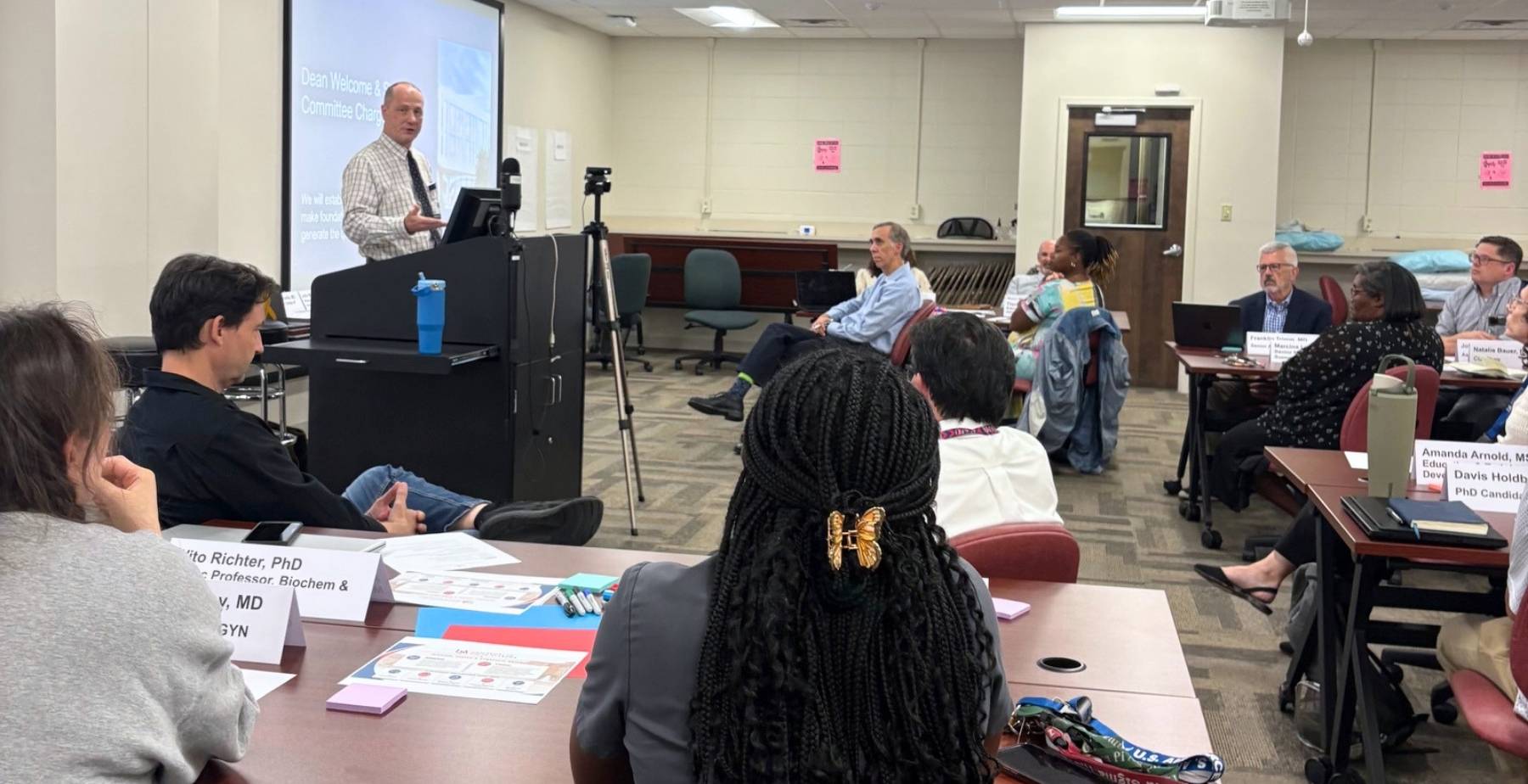
The Frederick P. Whiddon College of Medicine is developing its 2027–2031 strategic plan, bringing together faculty, staff, learners and institutional partners to help shape the college’s future. The plan will take effect July 1, 2027, as the college anticipates opening its new medical school building late next spring.
“A strategic plan is the proverbial north star by which we can align our missions in education, research, patient care, and community engagement towards a unifying and synergistic goal,” said Jeffrey La Rochelle, M.D., MPH, dean of the Whiddon College of Medicine.
The planning process began this summer with a review and refinement of the college’s mission and vision statements to ensure alignment with the broader goals of the University of South Alabama and USA Health.
“I have always viewed an institution’s mission and vision as its guiding light, much like a compass that keeps a ship on course,” said Aishwarya Prakash, Ph.D., professor of biochemistry and molecular biology, who served on the mission and vision review team. “There will inevitably be times when we face challenges, uncertainty, or competing priorities, and it is during those moments that revisiting our mission reminds us why we are here and what we are collectively working toward.”
For Prakash, a cancer researcher and basic sciences faculty member, that shared direction should reflect the connections among education, research and patient care.
“Scientific discovery drives medical advances, just as educating and mentoring the next generation of physicians and scientists ensures that those advances continue,” she said. “Equally important is ensuring that faculty across disciplines have a voice in shaping that vision.”
Prakash said involving faculty with different perspectives helps build a shared sense of purpose and ownership, ensuring the mission and vision serve as more than statements on a page.
A collaborative planning process
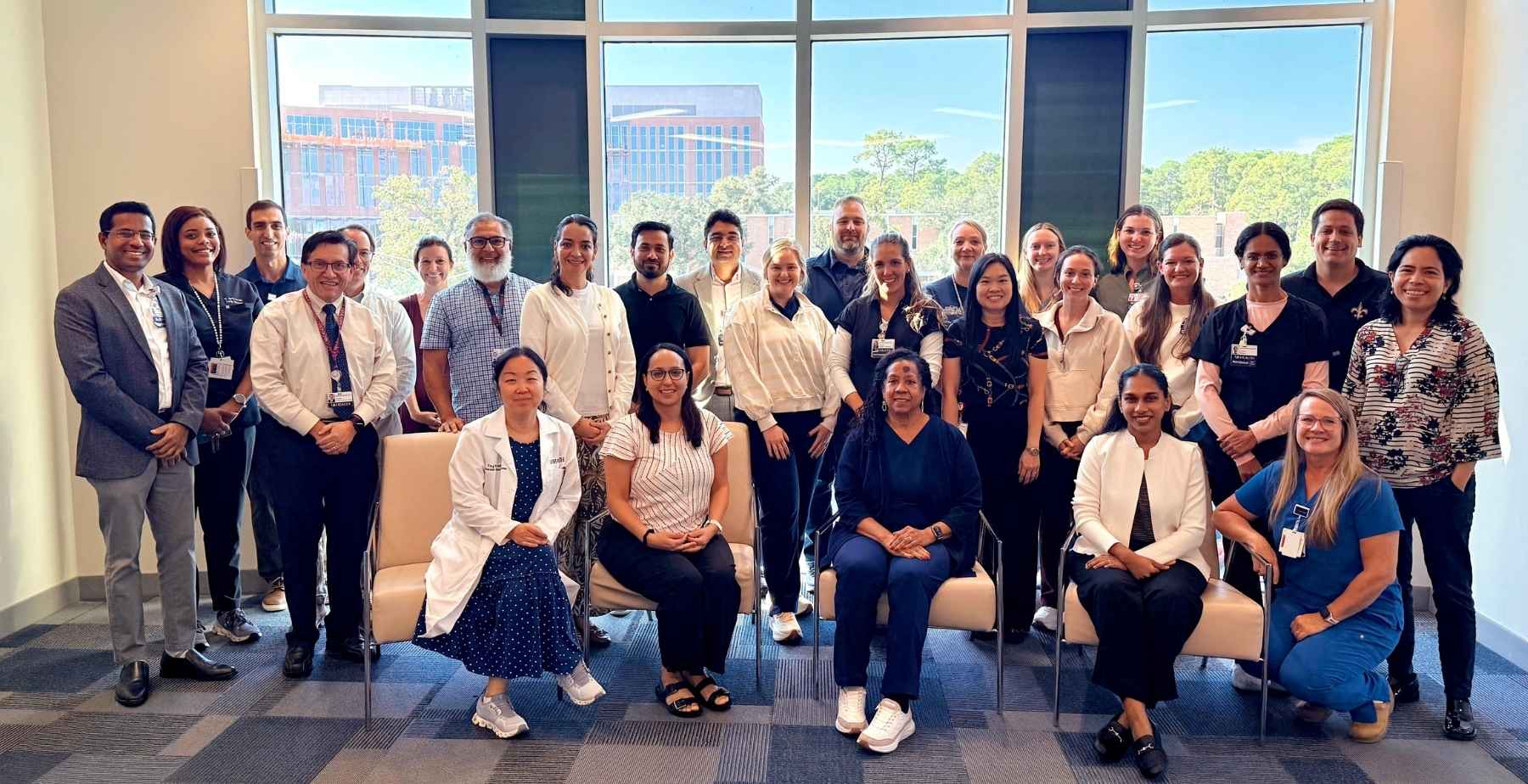
A 12-member steering committee, appointed by La Rochelle from nearly 60 faculty, staff and students who expressed interest in participating, is leading the planning process. The committee is chaired by David S. Williams, Ph.D., MPA, assistant dean for institutional and academic success.
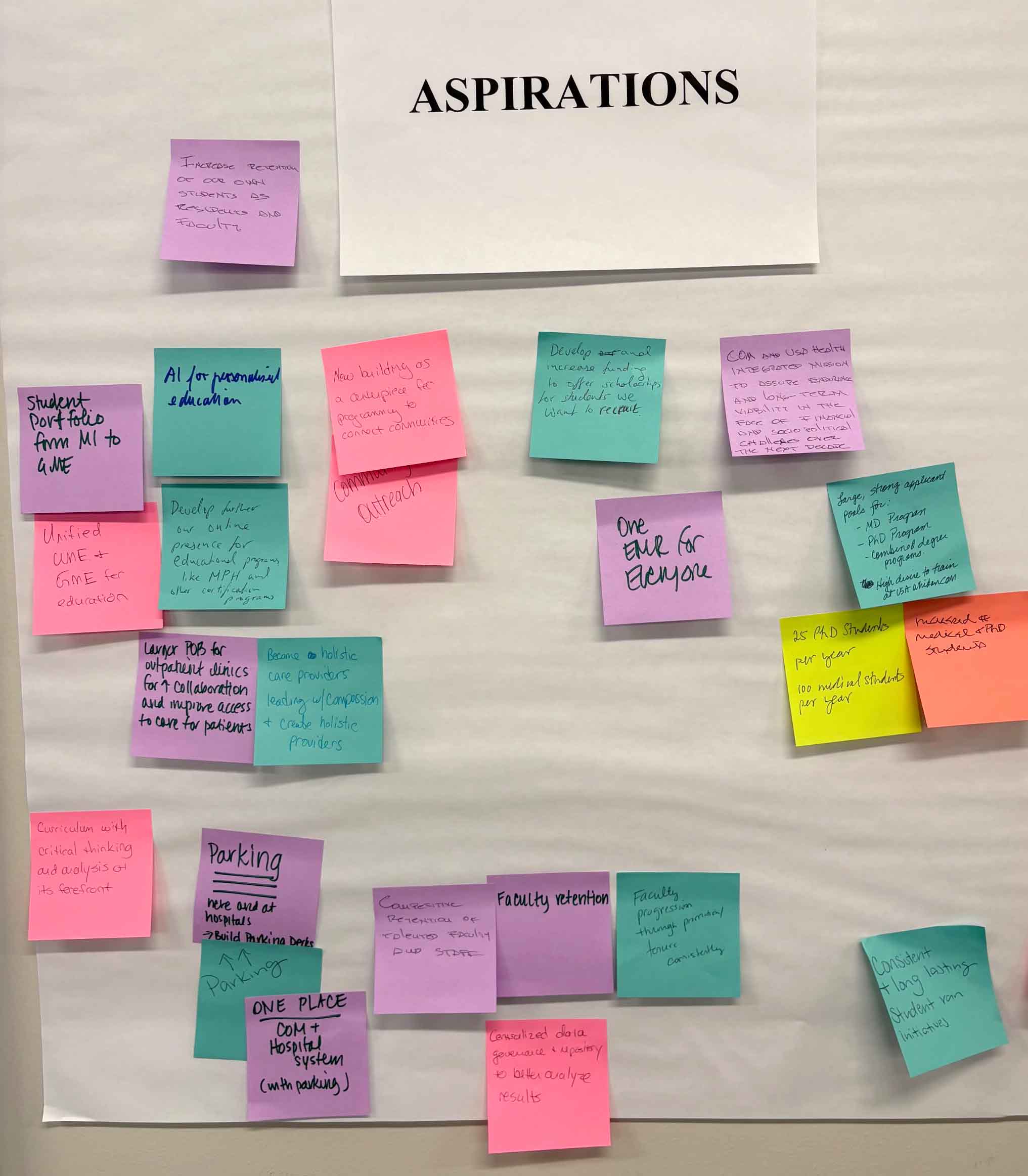
The committee has conducted a strengths, opportunities and aspirations analysis and identified five strategic planning task forces focused on education, research, clinical care, community engagement and infrastructure. The education task force will address undergraduate medical education, graduate medical education and the Ph.D. program.
Nicolette P. Holliday, M.D., professor of obstetrics and gynecology and clerkship director, said input from across the college and its broader community will be essential to developing a plan that reflects the institution’s varied goals.
“Each group sees different aspects of our mission, and those perspectives help create a more comprehensive and inclusive vision for our future,” said Holliday, who serves on the steering committee. “By engaging as a group, we will be able to forge new relationships, to develop a plan that is ambitious, responsive, and aligned with the needs of the diverse populations we serve.”
Medical students also have a voice in the process. Fourth-year medical student Nia Booth represents medical students on the steering committee and hopes the plan will build on the college’s strengths while identifying ways to better support learners.
“I would love for the committee to create a plan that preserves what makes our college special while building on that foundation to better support students and prepare future physicians to meet the needs of the communities they will serve,” Booth said.
She envisions a plan that includes expanded mentorship opportunities, particularly in specialties without home residency programs, to help students connect with physicians in those fields as they explore career paths and prepare for residency.
Davis Holdbrooks, a student in the Basic Medical Sciences Graduate Program, represents Ph.D. students on the committee. He identified several priorities to strengthen graduate education including expanding fellowship opportunities, improving career development and training, and fostering closer collaboration between basic science research and clinical care.
“I hope it helps turn lab discoveries into better patient care,” Holdbrooks said, adding that he is excited about the new medical school building and its potential to advance biomedical research at the college.
Next steps
Chairs and co-chairs for all five task forces have been identified and have accepted their roles. The next step is to establish the groups and begin developing goals and measurable outcomes for their respective areas.
The Office of Accreditation and Planning will coordinate the process and provide project management support. Once the plan is approved, the Continuous Quality Improvement Committee will oversee its implementation.
La Rochelle said steering committee members have demonstrated strong engagement, with faculty, staff and students eager to contribute. As the task forces begin their work, additional opportunities will allow the broader college community and other stakeholders to provide input.
Collaboration with the University and USA Health will also be important to advancing the college’s priorities and strengthening education, research and patient care throughout Mobile and the Gulf Coast region.
“Aligning our strategic plan with our integrated partners will serve to elevate all our faculty, staff and students to achieve well beyond what any of us thought possible,” La Rochelle said.
View the Strategic Planning Framework for 2027–2031, including the timeline and planning leadership.