
Whistles
Whistles are frequency-modulated, tonal signals that dolphins use during a variety of behaviors.
Dolphin whistles have a frequency range of about 4 – 30 kHz. On average, humans hear sounds from 20 Hz – 20 kHz, meaning some dolphin sounds may go unheard by the human ear.
Researchers use spectrograms (left) to visualize sounds caught on recording – this helps them catch anything they may not hear.
This video (left) plays whistles of wild Hawaiian spinner dolphins. Notice the differences in brightness of color. The brighter the pink means the louder that part of the signal is.
How are their sounds made?
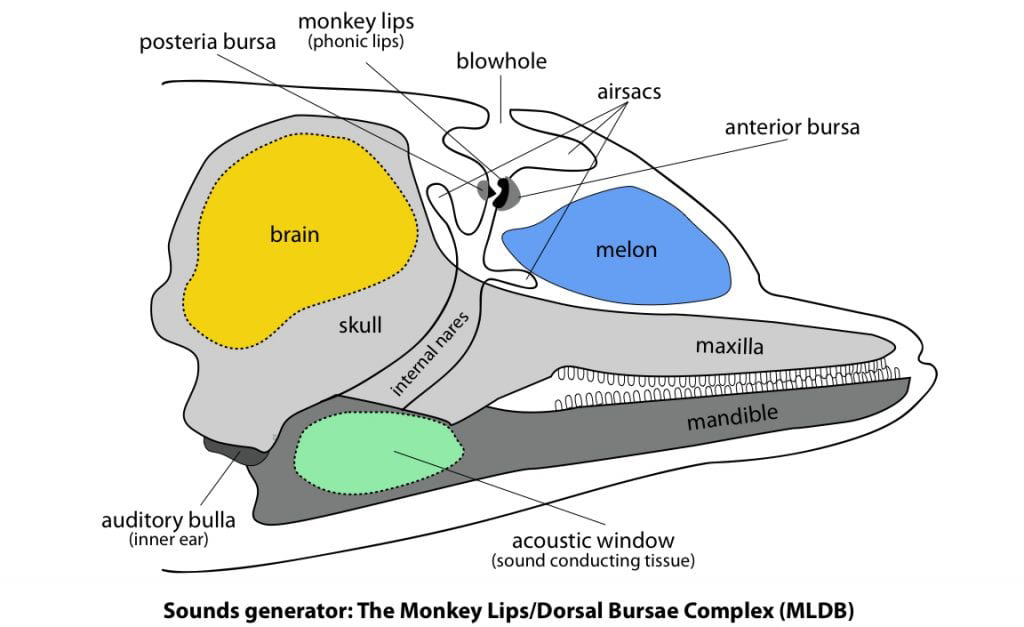
Dolphins create different sounds by manipulating specialized mechanisms found in their nasal passage. Just below the blowhole, is a pair of phonic lips, also known as “monkey lips”. Phonic lips are important for sound production. Pressurized airflow, controlled by the nasal plugs and muscles, is independently released past the left and right phonic lips. The phonic lips, nasal cavities, and blowhole vibrate or shift shape as air is released, creating different sounds. Research has suggested that whistles are released on the left side of the blowhole and pulsed sounds from the right.
Whistle Types
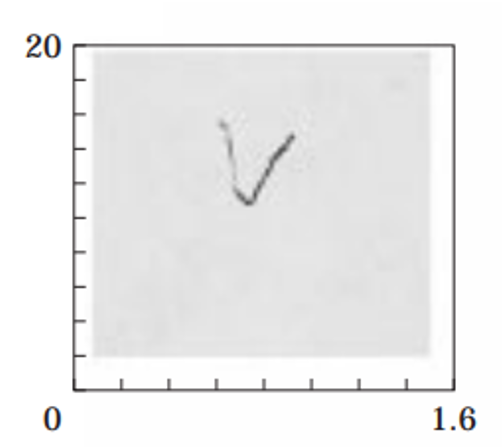
U-shape
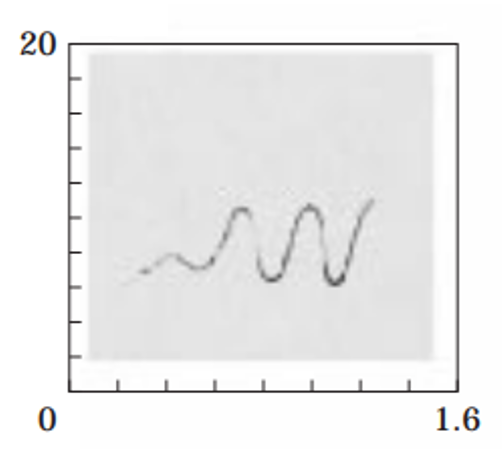
Sine
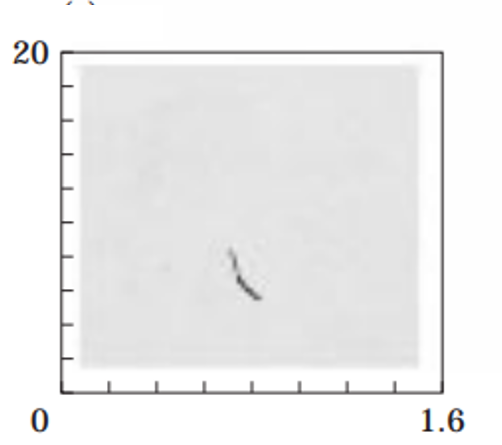
Fall
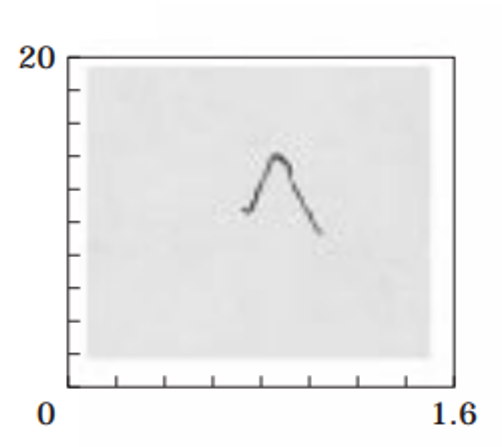
Hill
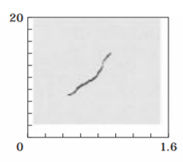
Rise
Research continues to try and determine what each whistle contour (i.e., shape) means. Scientists have described several different types of common contours – but not every scientist agrees on what defines a different category or whistle type. Here (above), we see 5 different types categorized by Dr. Janik and colleagues.
Other scientists have used different names to categorize whistle shapes, such as “upsweep”, “downsweep”, “plateau” and many others!
Signature Whistles
Similar to how humans have an individual name, scientists believe dolphin’s use a unique whistle contour that acts as their own name.
This individually specific contour is called a “signature whistle”.
Dolphins have been observed using signature whistles for mom and calf contact, identify themselves, and maintain group cohesion.
Scientists continue to investigate what contexts dolphins use signature whistles.