
Gastroenterology Fellowship
Find out about the Gastroenterology Fellowship from our fellows and faculty.
Learn more about residencies and fellowships at the University of South Alabama and life on the Gulf Coast.
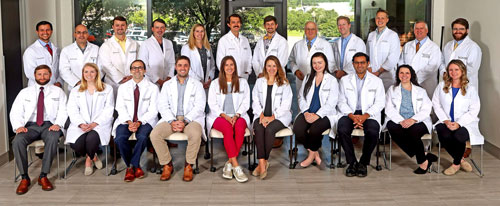
The Gastroenterology Fellowship Program at the University of South Alabama was established in 1991. Starting with just one fellow, it has grown over the years to a complement of 9. Our graduates have moved into careers of both traditional private practice and academics all over the country. We are proud of our program's legacy and strive daily to build upon the great foundation set in place for GI fellowship training. We aim to graduate outstanding future gastroenterologists, primed for a fulfilling career in a wonderful profession.
Mission
Our program is committed to obtaining and maintaining preeminence in patient care, education, and research. A robust didactic and clinical medicine experience pertaining to gastroenterology and hepatology are emphasized during training, and we maintain a world class faculty to train fellows for successful careers in gastroenterology and hepatology in the communities where they practice and serve. This aligns with our Sponsoring Institution's Mission Statement: We help people lead longer, better lives
Program AIMS
Our aim is to train and graduate successful clinical and academic gastroenterologists with necessary qualifications and technical skills to deliver high quality patient care confidently and independently after successful matriculation. Our gastroenterology fellowship conforms to the ACGME training requirements and adopts the Gastroenterology Core Curriculum for Training in Gastroenterology.
USA Gastroenterology appreciates your interest in our program. We participate in the Medical Specialties Matching Program of the National Resident Matching Program. We are accepting applications by the Electronic Residency Application Service (ERAS) from the Association of American Medical Colleges. Our NRMP match number is 1852144FO. We look forward to receiving your application.
We accept three fellows each year. At this time, we only sponsor J-1 visas.
Current Active Clinical Investigation Projects
An Open Label Phase 2 Study to Characterize Colon Pathology in Patients with HER2
Amplified Breast Cancer Treated with Neratinib
Lead Investigator: Jack A. DiPalma, M.D.
Investigational agents: Neratinib
Study Subjects: Chemotherapy patients
Corrona Inflammatory Bowel Disease (IBD) Registry
Lead Investigator: William Preston Sonnier, M.D.
Investigational Agents: N/A
Study Subjects: Patients with Inflammatory Bowel Disease
Entyvio (vedolizumab) long-term safety study: An international observational prospective
cohort study comparing vedolizumab to other biologic agents in patients with ulcerative
colitis or Crohn's Disease
Lead Investigator: Benjamin Niland, M.D.
Investigational Agents: vedolizumab
Study Subjects: Patients with Ulcerative Colitis or Crohn’s Disease
B.L.O.C.S (BLOCS -Benign Liver Optimal Core Study): Comparison of 2 techniques using
EUS guided Liver biopsies via 19g CORE biopsy needle to Obtain Optimal Core Liver
Biopsies in Benign Disease
Lead Investigator: Meir Mizrahi, M.D.
Investigational Agents: N/A
Study Subjects: Patients who will be undergoing liver biopsy under EUS guidance
Study of the Clinical, Epidemiological characteristics and Natural history of Gastroesophageal
reflux disease (GERD), Barrett’s esophagus (BE) and of their progression to esophageal
adenocarcinoma (EAC)
Lead Investigator: Meir Mizrahi, M.D.
Investigational Agents: N/A
Study Subjects: Patients with Barrett’s Esophagus
- IBD Registry
- Study and Natural History of GERD and Barrett’s and their progression to Esophageal Adenocarcinoma
- Artificial Intelligence Review of Capsule Endoscopy
- Retrospective Analysis of Clarithromycin-based therapy’s efficacy in treatment of H. pylori
- Long-term Entyvio Safety Study
- Systematic Review of Testing and Diagnosis of C. Difficile infection in Special Scenarios
- The Chest Wall Mass of Unknown Origin: A Rare Presentation of Esophageal Adenocarcinoma
- Effect of computer-aided detection device on the adenoma detection rate and serrated detection rate among trainee fellows
- Coilodocholithiasis: ERCP Management of Biliary Obstruction from Gastroduodenal Artery Coil Migration
- New Onset Crohn’s Disease Following Secukinumab Therapy for Hidradenitis Suppurativa in a Young Adult Male
- Crohn’s Disease Unmasked by Immune Reconstitution Inflammatory Syndrome
- A Rare Case of Gastric Myeloid Sarcoma in Relapsed Acute Myeloid Leukemia
- Complications of Vertical Banded Gastroplasty: A Case Highlighting Late Sequelae
- Diabetic Ketoacidosis Complicated by Esophageal Perforation: A Case Report of “Black Esophagus”
- Metastatic Primary Ovarian Melanoma Following TNF-a Inhibitor Use for Fistulizing Crohn’s disease
- A Rare Case of CMV Presenting as an Ampullary Mass and Cholangitis in an Immunocompetent Patient
- When Pancreatic Cyst Rupture Leads to Cytokine Storm: A Case of Secondary Hemophagocytic Lymphohistiocytosis
- Aseptic Abscess Syndrome Causing Repeat Liver Abscess in a Patient with Ulcerative Colitis
- Immune Mediated Colitis with Visible Endoscopic Changes and Lymphocytic Histologic Changes: A Diagnostic Conundrum
- When the Right Side Goes Wrong: An Atypical Presentation of Isolated Right-Sided Colonic Ischemia in an Elderly Patient
- Annular Pancreas Unveiled: An Incidental Finding in Alcoholic Pancreatitis
- An Unusual Presentation of Obstructive Jaundice Due to Primary Hepatic Lymphoma
- IgG4-Related Hepatobiliary Disease Presenting as Biliary Stricture and Hepatic Mass: A Delayed Diagnosis
We utilize a structured combination of didactic, clinical and research teaching tools to ensure a comprehensive training experience. Gastroenterology inpatient consultative and ambulatory rotations are interspersed within the three years of training, providing ample exposure to a wide variety of clinical exposures. Focused clinical rotations specific to the topics of inflammatory bowel disease, hepatology, advanced endoscopy, and motility are provided by highly qualified faculty at USA University Hospital or affiliate hospitals. Research time is available and quality improvement projects are completed by all fellows. Regularly scheduled educational There is a robust didactic curriculum including fellow’s noon conference, GI pathology conference, journal club. Fellow’s noon conference is accompanied by an article review questions/answers to enhance information retention. Highly experienced full-time and adjunct faculty are invested in achieving and maintaining a harmonious, well-balanced educational environment with a focus on trainee well-being, clinical exposure, and scholarship.
All rotations are designed to meet the goal of developing proficiency in many of the elements of the core competencies as well as skills such as: history taking and physical examination; written and oral presentation skills; diagnostic, procedural and decision-making skills including the selection of tests and therapies; management skills; professionalism; practice-based learning and improvement; and collaborate with other members of the health care team. In addition, fellows are also introduced to the business of medicine through informal education in billing, coding, compliance and successfully navigating the health insurance system.
Ambulatory/General Gastroenterology
This rotation is geared toward first-year fellows and the transition from an inpatient-heavy
internal medicine residency to an outpatient-heavy gastroenterology fellowship. Fellows
are exposed to the breadth of ambulatory management of gastrointestinal illness.
University Hospital Consult Service
Fellows are exposed to both common and complex gastroenterology and hepatology problems
encountered on the consultative service with supervision.
Diagnostic Physiology/Motility
Fellows are exposed to the execution and interpretation of motility and physiology
studies including high resolution esophageal and anorectal manometry, catheter based
pH and impedance testing, wireless pH monitoring, and hydrogen/methane breath testing.
Our program also utilizes the EndoFLIP platform. Fellows will rotate through the specialized
functional/motility clinic.
Advanced Endoscopy
Fellows are educated on the indications, risks, and benefits of pancreaticobiliary
endoscopy and endoscopic ultrasound. Training also includes interpretation of fluoroscopic
cholangiopancreatography. Fellows also have the opportunity to perform these procedures
under the supervision of our advanced endoscopists. Fellows will also have exposure
in direct cholangioscopy, biliary and enteral stenting, endoscopic suturing, third
space endoscopy, and double balloon enteroscopy. Fellows will rotate through the advanced
endoscopy clinic.
Hepatology
Fellows are educated on transplant and non-transplant hepatology in both the inpatient
and outpatient settings. This includes evaluation of both benign and malignant liver
masses, viral hepatitis, hereditary causes of liver disease, other causes of liver
injury, cirrhosis, all sequelae of portal hypertension, and all components of the
pre-transplant evaluation. Fellows also get exposure in the management of immunosuppressive,
health maintenance and complications seen in the liver transplant patient.
Inflammatory Bowel Disease
Fellows are exposed to both common and complex IBD problems encountered on the clinical
services with supervision. Fellows rotate with our IBD specialists in their IBD clinic
and gain experience in the multidisciplinary care including dietary, pharmacologic
and surgical management. Fellows will learn to interpret capsule endoscopy studies.
Radiology (Contrast) and (Cross-Sectional)
Fellows gain familiarity with the wide variety of radiological studies frequently
used to evaluate the gastrointestinal tract and liver.
Pediatric Gastroenterology
Fellows are exposed to both common and complex gastroenterology and hepatology problems
of children and adolescents encountered in the ambulatory and inpatient setting. This
limited exposure helps provide a well-rounded education for adult gastroenterologists.
- Didactic Lectures most Thursdays at 12:00 pm
- Article of the Week most Thursday following didactic lecture
- Medicine Grand Rounds every Thursday at 8:00 a.m.
- Journal Club every 3rd Wednesday at 5:00 p.m.
- GI/Surgery Conference every 3rd Thursday at 12:00 p.m.
- GI Pathology Conference every 2nd Monday at 12:00 p.m.
- Research Conference: every 1st Monday at 12:00 p.m.
- Mortality and Morbidity Conference Quarterly Mondays at 12:00 p.m.
- 1st Year Fellows: Digestive Disease Week Post-Graduate Course
- 2nd Year Fellows: American College of Gastroenterology Post-Graduate Course
- 3rd Year Fellows: Subspecialty meeting of choice (The Liver Meeting, AIBD, Motility Meeting)
- Other meetings in which the fellow is the first author on a poster accepted at a conference
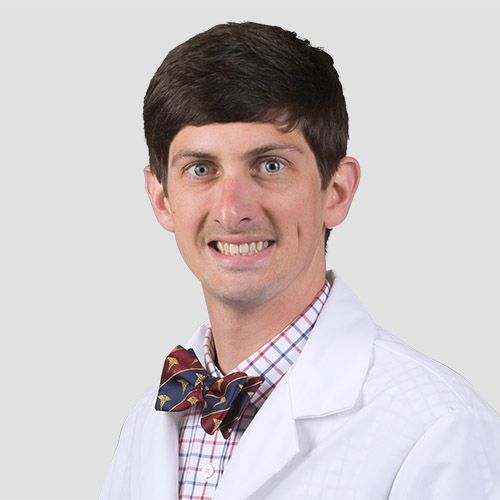
William "Preston" Sonnier, M.D.
Program Director
Co-director of Inflammatory Bowel Diseases
Undergraduate Education: B.S., University of Alabama
Medical School: University of South Alabama College of Medicine, Mobile, Alabama
Residency: Internal Medicine, University of Alabama at Birmingham Tinsley Harrison, Birmingham, Alabama
Fellowship: Gastroenterology, University of South Alabama, Mobile, Alabama
Board Certifications: American Board of Internal Medicine, Internal Medicine
American Board of Internal Medicine, Gastroenterology
Interests: Dose intensification of biologics, Early use of biologic medications in management
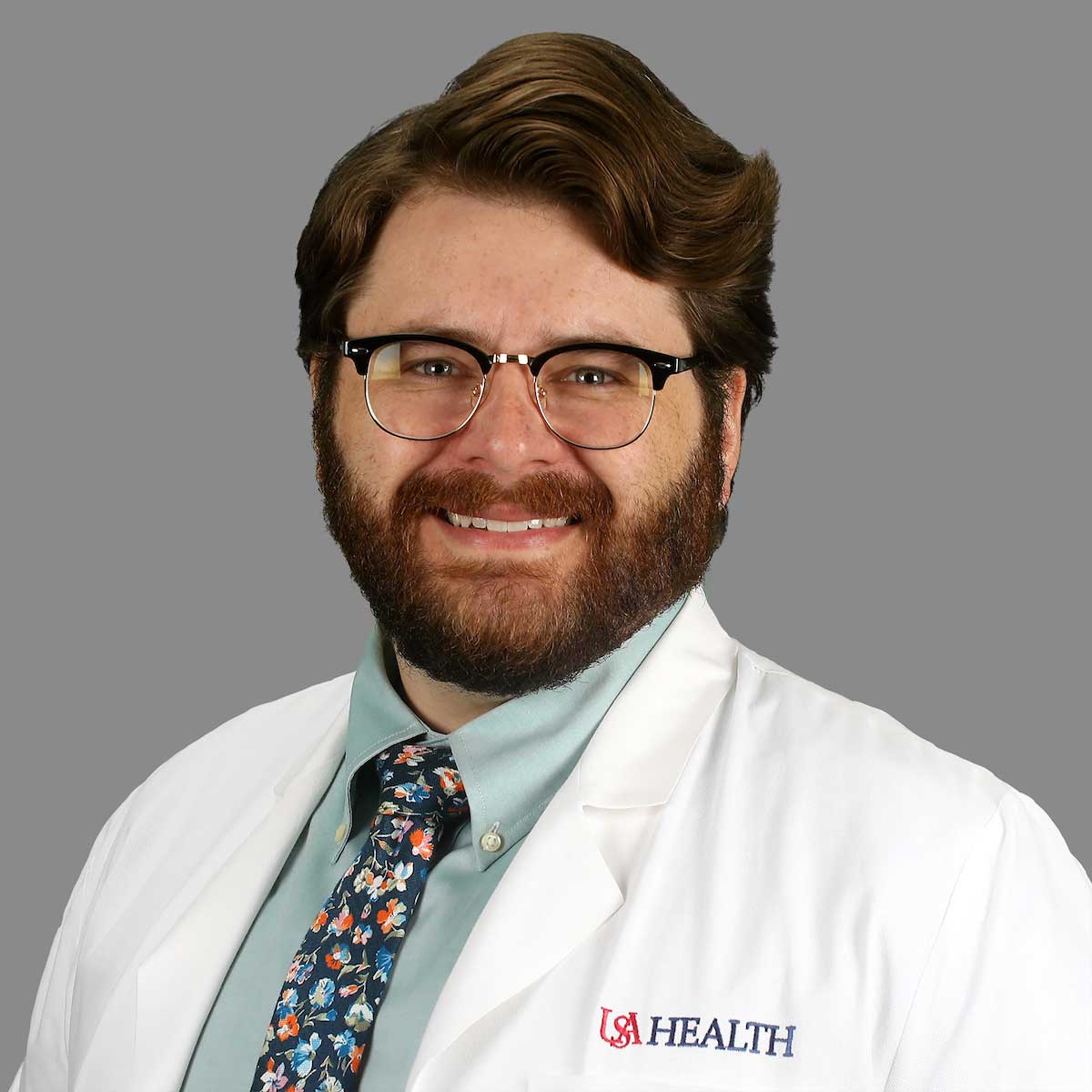
Baret Bercier, M.D.
Associate Program Director
Undergraduate Education: B.S., Louisiana State University, Baton Rouge, Louisiana
Medical School: M.D., Louisiana State University Health Sciences Center, New Orleans, Louisiana
Residency: Internal Medicine, Louisiana State University School of Medicine, Baton Rouge Louisiana
Fellowship: Gastroenterology, University of South Alabama, Mobile, Alabama
Board Certifications: American Board of Internal Medicine, Internal Medicine
American Board of Internal Medicine, Gastroenterology
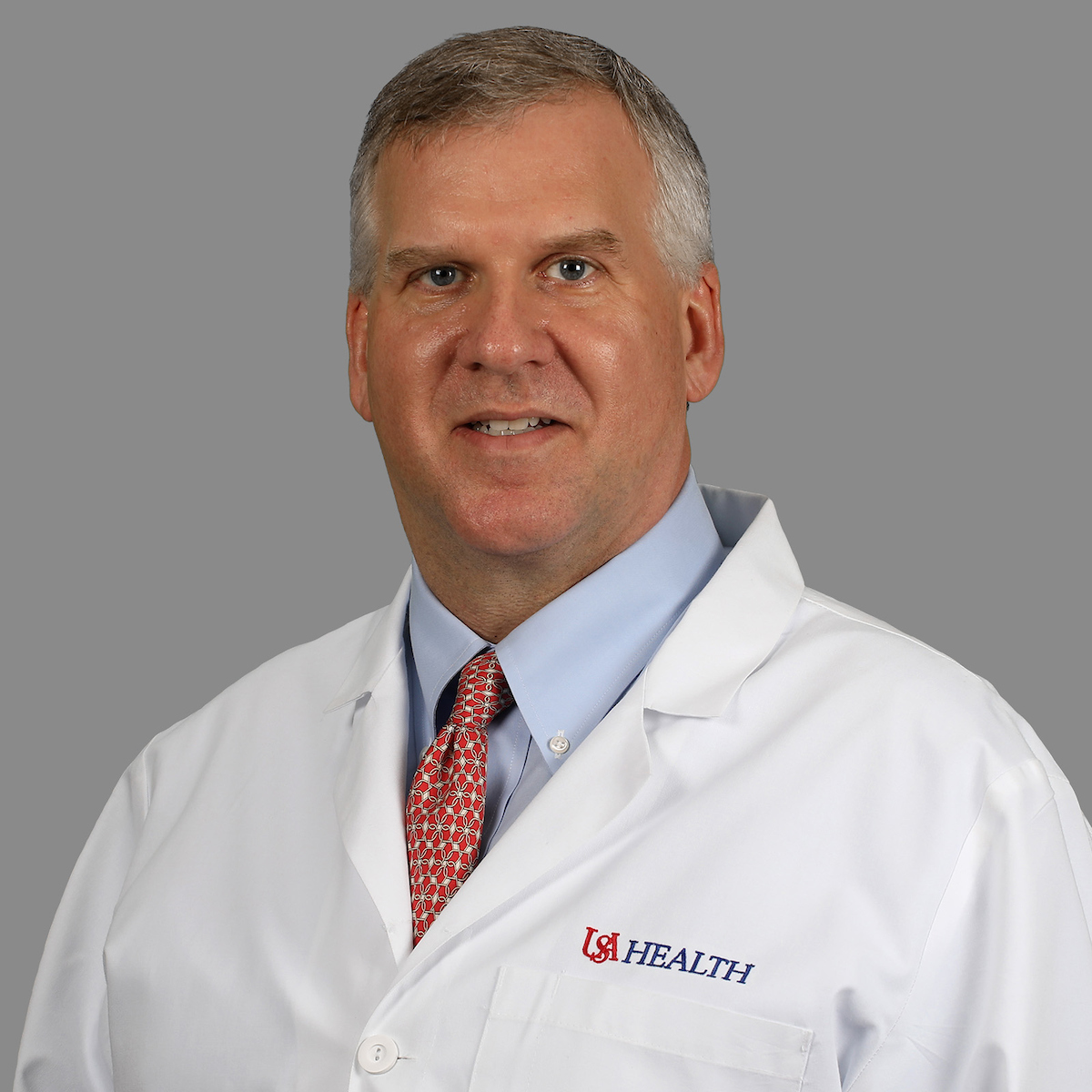
Matthew Carnes, M.D
Assistant Professor of Internal Medicine
Undergraduate Education: B.A., University of Alabama, Tuscaloosa, Alabama
Medical School: M.D., University of South Alabama Whiddon College of Medicine, Mobile, Alabama
Residency: Internal Medicine, Medical University of South Carolina, Charleston, South Carolina
Fellowship: Gastroenterology, Medical University of South Carolina, Charleston, South Carolina
Board Certifications: American Board of Internal Medicine, Internal Medicine; American Board of Internal Medicine, Gastroenterology and Hepatology
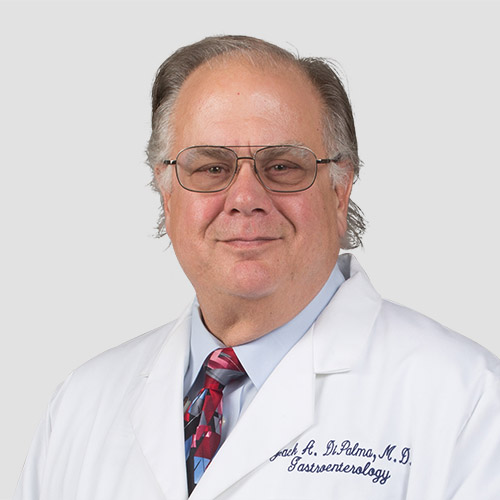
Jack A. Di Palma, M.D.
Professor Emeritus
Undergraduate Education: B.A., Adelphi University, Garden City, New York
Medical School: New York Medical College, Valhalla, New York
Internship: Internal Medicine, USAF Medical Center Keesler, Keesler AFB, Mississippi
Residency: Internal Medicine, USAF Medical Center Keesler, Keesler AFB, Mississippi
Fellowship: Gastroenterology, Wilford Hall USAF Medical Center, Lackland AFB, Texas
Board Certifications: American Board of Internal Medicine, Internal Medicine
American Board of Internal Medicine, Gastroenterology
Interests: Acid Peptic Disease, Lactose Maldigestion, Irritable Bowel Syndrome, Chronic Inflammatory
Bowel Disease, GI Motility, Endoscopic Sedation, Colon Cleansing, Constipation, Capsule
Endoscopy
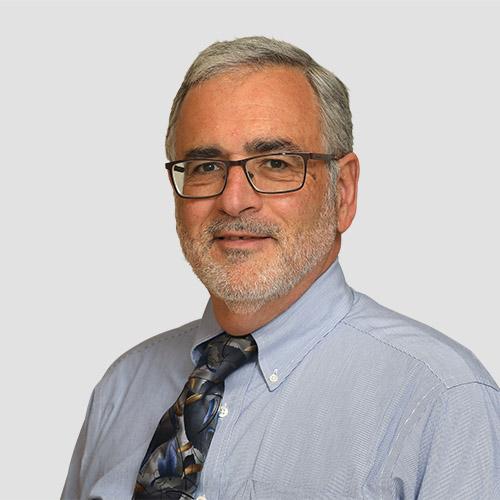
Jorge L. Herrera, M.D.
Professor Emeritus
Undergraduate Education: B.S., University of Puerto Rico
Medical School: M.D., University of Puerto Rico
Internship: Internal Medicine, Fitzsimons Army Medical Center, Denver, Colorado
Residency: Fitzsimons Army Medical Center, Denver, Colorado
Fellowship: Gastroenterology, Walter Reed Army Medical Center, Washington, D.C.
Board Certifications: American Board of Internal Medicine, Gastroenterology
Diplomate in Internal Medicine, Gastroenterology and Transplant Hepatology
Interests: Hepatology, Viral Hepatitis, Endoscopic Procedures, Diagnostic Physiology Testing
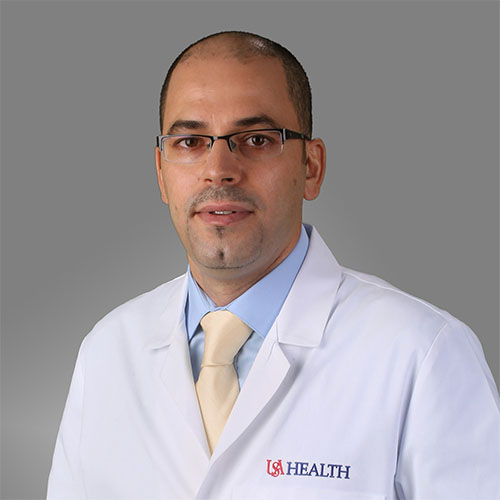
Rajab Idriss, M.D.
Assistant Professor of Internal Medicine
Education: Bachelor of Medicine, Bachelor of Surgery, Jordan University of Science and Technology, Irbid, Jordan
Internship: Western Galilee Hospital, Nahariya, Israel
Residency: Internal Medicine, Carmel Medical Center, Haifa, Israel
Fellowship: Gastroenterology, Carmel Medical Center, Haifa, Israel
Advanced Hepatology, Beth Israel Deaconess Medical Center, Boston, Massachusetts
Observership: Hepatology, Baylor Medical Center, Dallas, Texas
Board Certifications: Internal Medicine, Israeli Internal Medicine Board
Gastroenterology, Israeli Gastroenterology Board
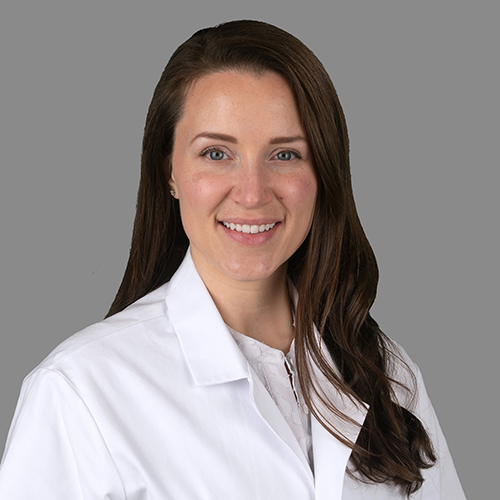
M. Caitlin Marshall, M.D.
Assistant Professor of Internal Medicine
Undergraduate Education: B.S., Auburn University, Auburn, Alabama
Medical School: M.D, University of South Alabama College of Medicine
Residency: Internal Medicine, University of South Alabama, Mobile, Alabama
Fellowship: Gastroenterology, University of South Alabama, Mobile, Alabama
Board Certifications: American Board of Internal Medicine, Internal Medicine
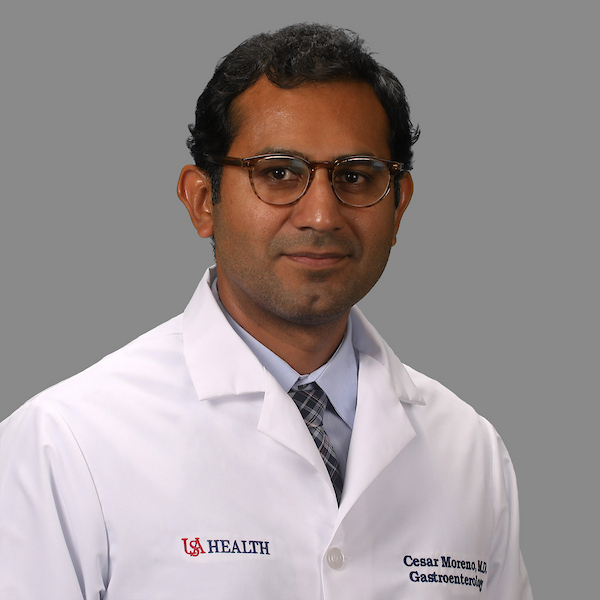
Cesar Moreno, M.D.
Assistant Professor of Medicine
Undergraduate Education: B.S.E., University of Florida, Gainesville, Florida
Medical School: M.D., Florida State University College of Medicine, Tallahassee, Florida
Residency: Internal Medicine, University of South Alabama College of Medicine, Mobile, Alabama
Fellowship: Gastroenterology, University of South Alabama College of Medicine, Mobile, Alabama
Board Certifications: American Board of Internal Medicine, Internal Medicine
American Board of Internal Medicine, Gastroenterology
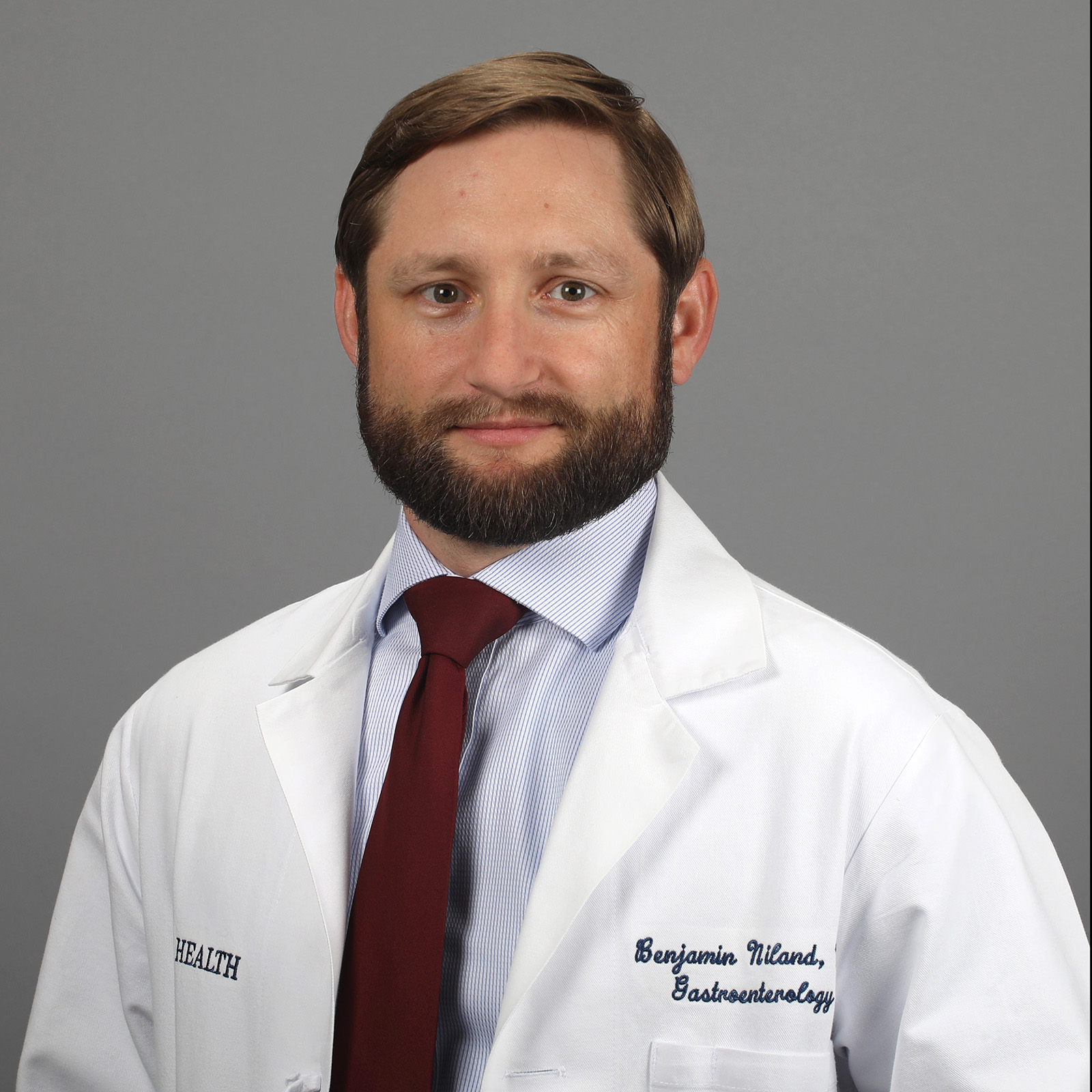
Benjamin R. Niland, M.D.
Associate Professor of Internal Medicine, Chief of Division of Gastroenterology, Director of Operations, Director of Gastrointestinal Motility
Undergraduate Education: B.S., University of Louisiana Lafayette, Lafayette, Louisiana
Medical School: M.D., Louisiana State University, New Orleans, Louisiana
Internship: Internal Medicine, Medical University of South Carolina, Charleston, SC
Residency: Internal Medicine, Medical University of South Caroline, Charleston, SC
Fellowship: Gastroenterology, University of South Alabama, Mobile, Alabama
Board Certifications: American Board of Internal Medicine, Internal Medicine
American Board of Internal Medicine, Gastroenterology
Mason Adams, M.D.
Assistant Professor of Internal Medicine, Director of Advanced Endoscopy
Undergraduate Education: B.S., Louisiana State University, Baton Rouge, Louisiana
Medical School: M.D., Louisiana State University School of Medicine, New Orleans, Louisiana
Residency: Internal Medicine, Louisiana State University School of Medicine, Baton Rouge Louisiana
Fellowship: Gastroenterology, University of South Alabama, Mobile, Alabama
Fellowship: Advanced Endoscopy, University of Texas Health Science Center, San Antonio, Texas
Board Certifications: American Board of Internal Medicine, Internal Medicine
American Board of Internal Medicine, Gastroenterology

Bennett Hooks, M.D.
Adjunct Assistant Professor
Undergraduate Education: B.S., Birmingham Southern College, Birmingham, AL
Medical School: University of South Alabama College of Medicine, Mobile, AL
Residency: Internal Medicine, Vanderbilt University Medical Center
Fellowship: Gastroenterology, University of South Alabama, Mobile, AL
Board Certifications: American Board of Internal Medicine, Internal Medicine
American Board of Internal Medicine, Gastroenterology
John Alvin Green, DO, PGY VI
Medical School: Alabama College of Osteopathic Medicine, Dothan, Alabama
Residency: University of South Alabama, Mobile, Alabama
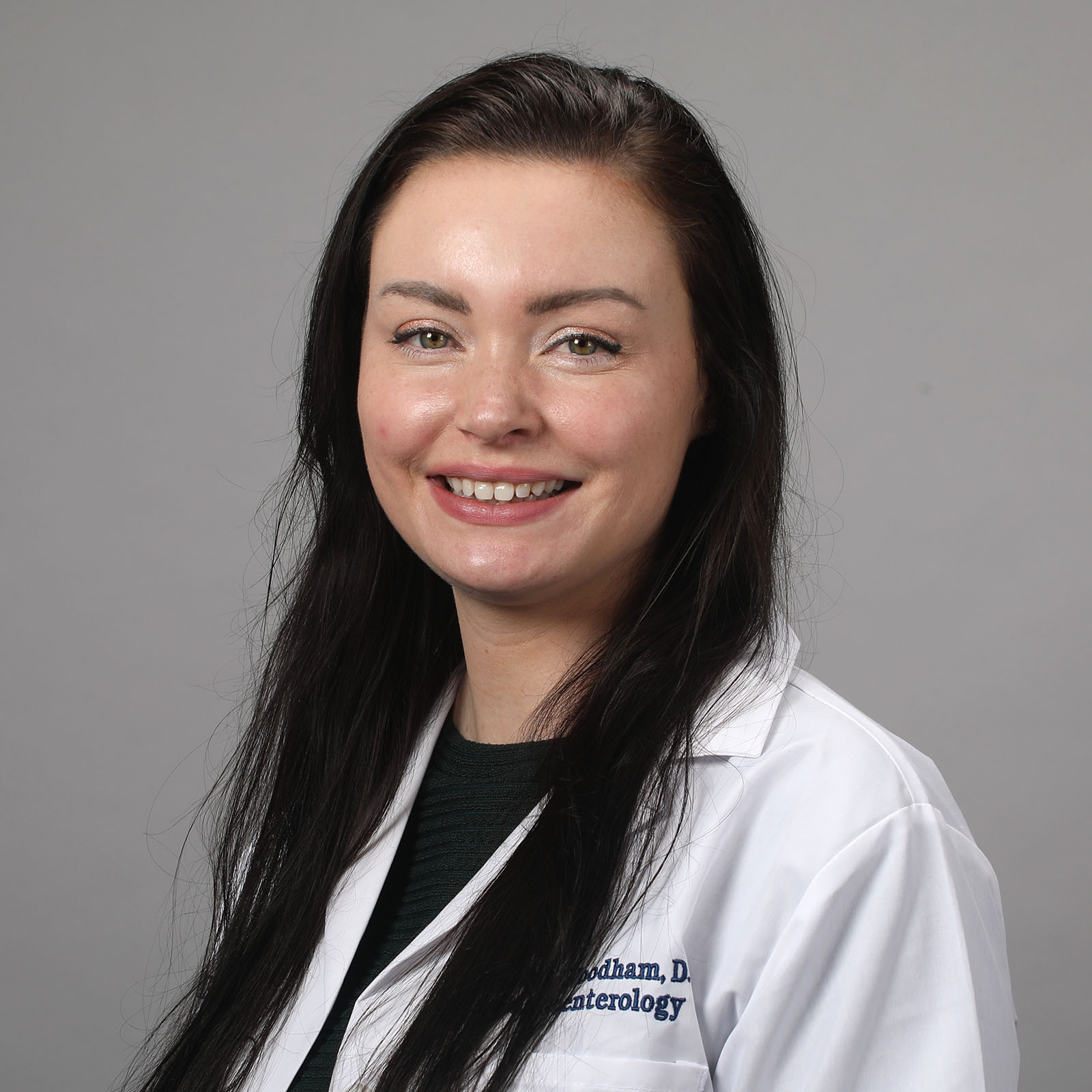
Jessica Woodham, DO, PGY VI
Medical School: Alabama College of Osteopathic Medicine, Dothan, Alabama
Residency: University of Mississippi Medical Center, Jackson, Mississippi
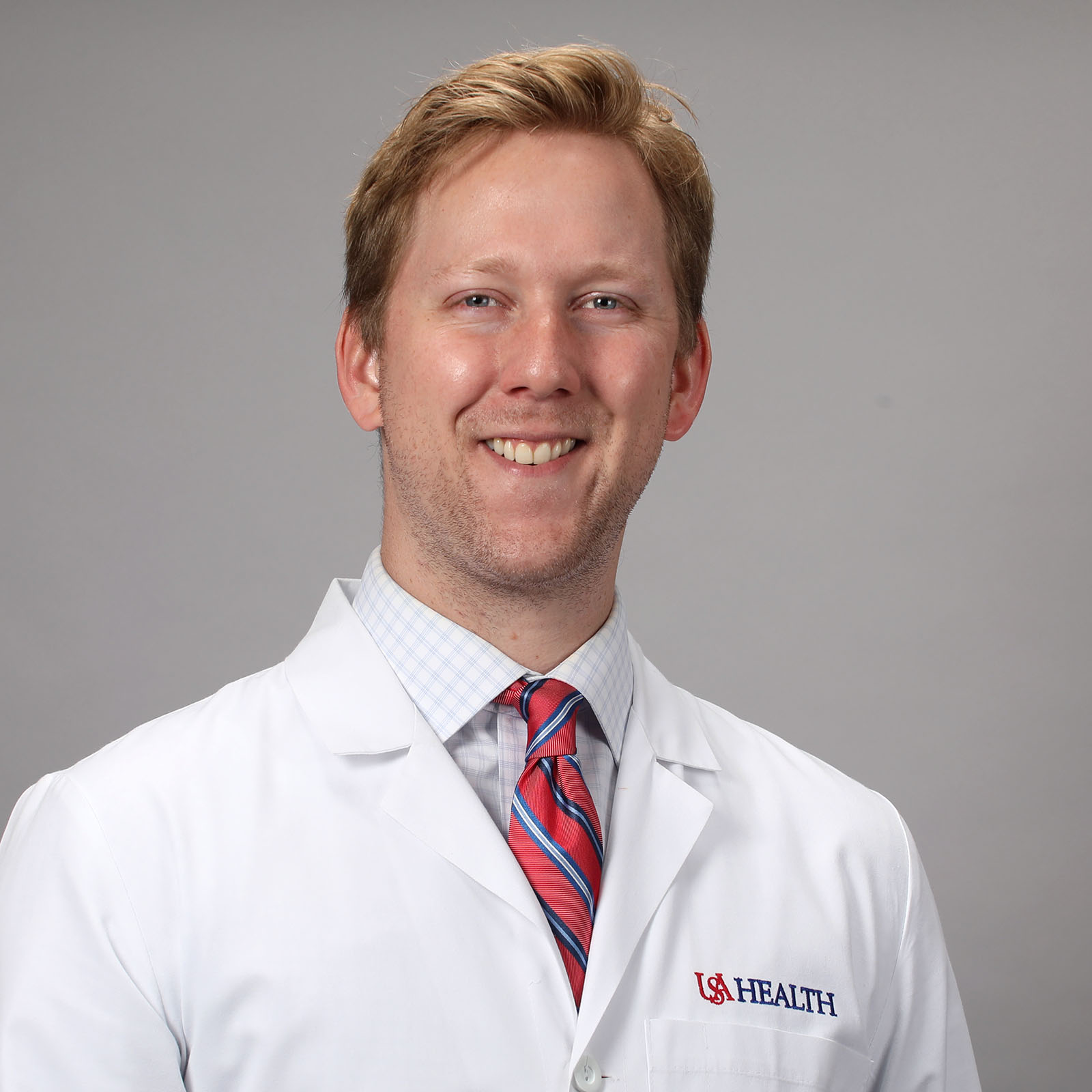
Nathan Usry, MD, PGY VI
Medical School: University of Mississippi School of Medicine, Jackson, Mississippi
Residency: University of Mississippi Medical Center, Jackson, Mississippi
Kaitlyn Cronk, MD, PGY V
Medical School: University of South Alabama College of Medicine
Residency: Internal Medicine, University of Mississippi Medical Center
Hunter Chance Dickson, DO, PGY V
Medical School: Alabama College of Osteopathic Medicine
Residency: Internal Medicine, University of South Alabama
Zohaib Ijaz, MD, PGY V
Medical School: University of South Alabama College of Medicine
Residency: Internal Medicine, University of Florida Shands Hospital
Anas Aljabi, MD, PGY IV
Medical School: University of Alabama School of Medicine
Residency: Virginia Commonwealth University Health System Internal Medicine
John Cooper, MD, PGY IV
Medical School: Louisiana State University School of Medicine, New Orleans
Residency: The University of Alabama at Birmingham Internal Medicine
Nikki Arceneaux, MD, PGY IV
Medical School: Louisiana State University School of Medicine, Shreveport
Residency: Louisiana State University Health Sciences Center, New Orleans

Address: 75 S. University Blvd., UCOM 6000-B, Mobile, AL 36608
Telephone: (251) 660-5555 • Fax: (251) 660-5559