
USA researchers examine emerging bacteria behind urinary tract infections
Posted on July 15, 2026 by Lindsay Hughes
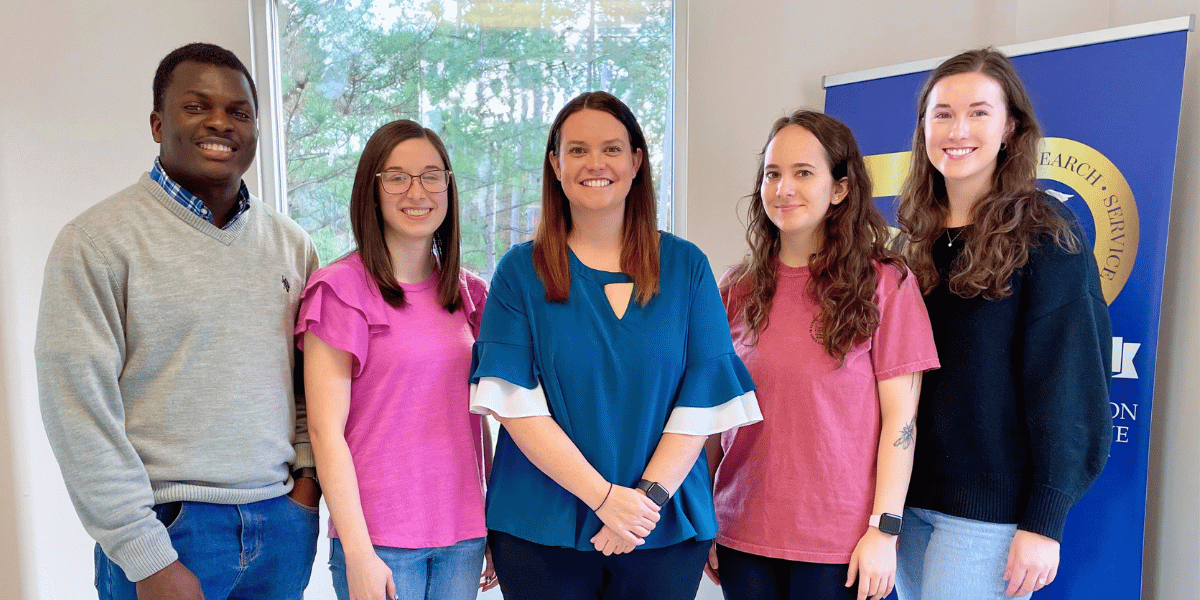
New research from the University of South Alabama is shedding light on an emerging bacterial cause of urinary tract infections (UTIs) that appears to be more common along the Gulf Coast than previously recognized.
In a study published in the American Society for Microbiology's journal mSphere, researchers found that Pseudomonas aeruginosa accounted for approximately 4% of local UTI cases, nearly double the national average. The team also identified previously unknown genetic strains of the bacteria and concerning patterns of antibiotic resistance.
The study, “Emerging pathogens in urinary tract infections: virulence and phenotypic characterization of Pseudomonas aeruginosa strains,” was led by Allyson Shea, Ph.D., an assistant professor of microbiology and immunology at the Frederick P. Whiddon College of Medicine, with Rachel Fleck, an incoming first-year medical student, serving as first author.
Although most UTIs are caused by Escherichia coli (E. coli), Shea said P. aeruginosa has received comparatively little attention in urinary tract research.
“Pseudomonas aeruginosa is relatively understudied in the UTI field compared to pathogens like E. coli,” Shea said. “Most of what we know about Pseudomonas virulence comes from lung and wound infection models, but the urinary tract is a very different environment. Our goal was to better define the genomic and phenotypic characteristics of urinary isolates specifically.”
The research team analyzed 55 bacterial samples collected from patients with UTIs, examining how the bacteria differ genetically, how they cause disease, and how they respond to antibiotics.
Among the study’s most significant findings was the discovery of numerous previously unidentified genetic strains.
“It suggests there is still substantial uncharacterized diversity among urinary P. aeruginosa isolates,” Shea said. “Many of the strains circulating in our local patient population did not match previously described sequence types, which highlights how little we still know about P. aeruginosa in the urinary tract.”
Researchers also found links between certain bacterial strains and specific patient populations. One strain appeared more frequently in patients with urinary catheters, while another was associated with diabetes.
The study further identified patterns of antibiotic resistance. Nearly one-third of the bacterial isolates were resistant to levofloxacin, a commonly prescribed antibiotic, and several strains were resistant to multiple antibiotics, making infections more difficult to treat.
While the higher regional prevalence raises important questions, Shea emphasized that researchers do not yet know why the bacteria appears more common along the Gulf Coast.
“Our study identified a higher prevalence of P. aeruginosa UTIs in our regional healthcare system compared to published national estimates, but we do not yet know why,” she said. “It is likely multifactorial. Factors such as climate, patient population, healthcare-associated exposures and underlying comorbidities may all contribute, but larger epidemiologic studies would be needed to determine that.”
Although the findings are not expected to change patient care immediately, Shea said they establish an important foundation for future research.
“There are no immediate implications for patient care from this study, but we hope this work helps highlight the genomic and phenotypic diversity of P. aeruginosa strains causing UTIs,” she said. “Defining that diversity is an important first step toward understanding how these infections develop and persist in the urinary tract.”
For Fleck, a Mobile native who will begin medical school at South this fall, serving as first author on the publication marked a significant milestone early in her research career.
“I am so grateful for the opportunity to have worked on this project,” Fleck said. “I gained experience at the bench that strengthened my technical skills while also learning a great deal about bioinformatics, bacterial genomics and bacterial mechanisms of infection.”
Fleck has been a member of the Shea lab since early 2023, when Shea first joined the microbiology and immunology faculty at USA. The aspiring physician said the experience broadened her understanding of research by connecting laboratory findings with patient characteristics.
“I found it especially meaningful that this project went beyond bacterial pathogenesis alone to consider bacterial traits alongside patient variables,” Fleck said. “I plan to continue research in Dr. Shea's lab, and I'm excited to keep building on this work as I begin medical school.”