Graduate Spotlight: Grant T. Daly, M.S., Ph.D.
Posted on May 14, 2026 by Marketing and Communications
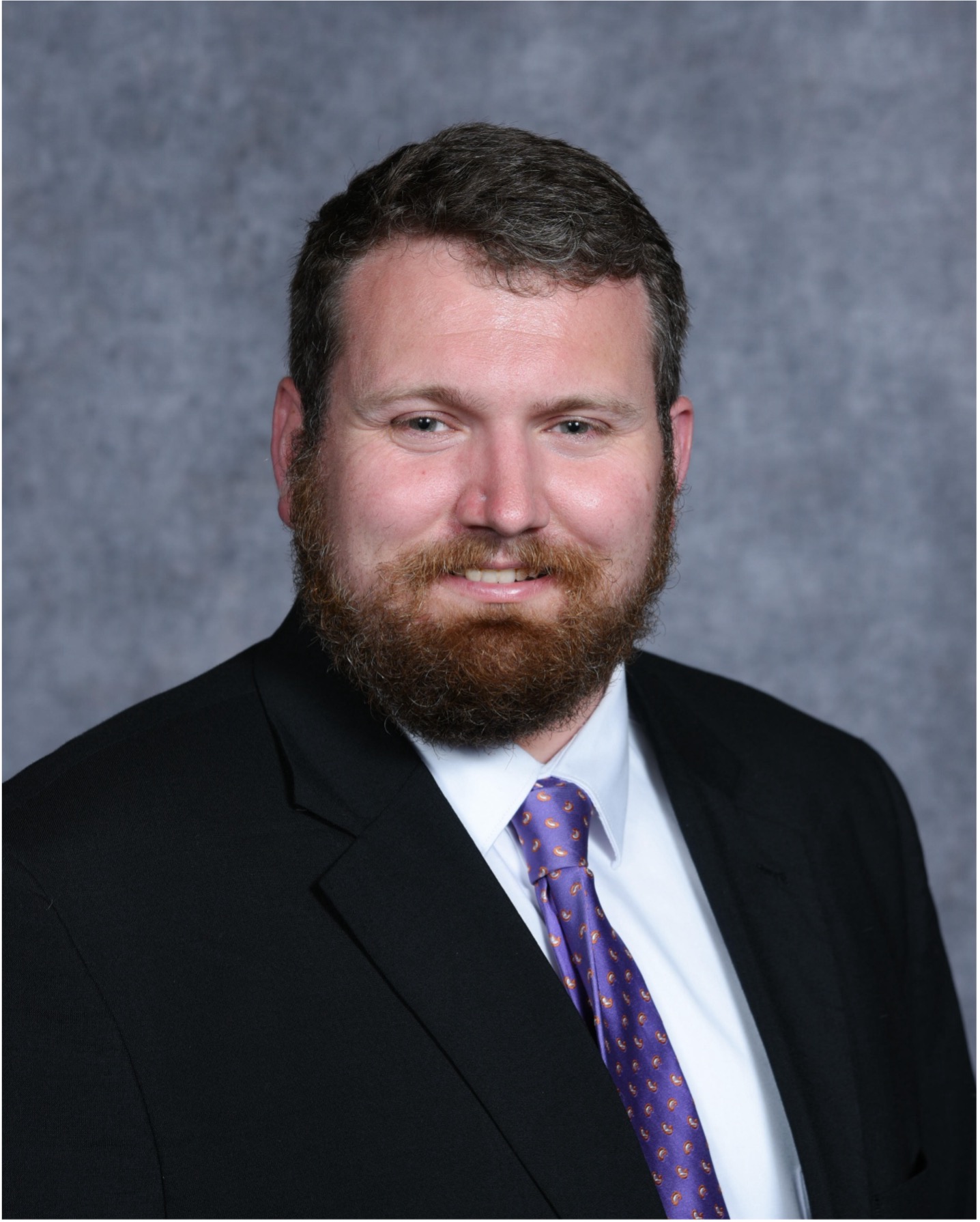 Grant T. Daly, M.S., Ph.D.
Hometown: Mobile, Alabama
Program Track: Basic Medical Sciences Graduate Program, Biomedical Engineering and Bioinformatics
What was the focus of your research? What drew you to this specific field of study?
For my graduate work, I evaluated mitochondrial DNA as a potential non-invasive blood test to predict trauma and sepsis patient outcomes. Specifically, I developed software and statistical models to process and analyze large DNA sequencing datasets. I was drawn to this field because DNA is the blueprint for life, and we continue to learn more ways changes to DNA contribute to aging and disease.
What do you consider your proudest academic or research accomplishment during your time at the Whiddon College of Medicine?
I think experimental rigor and reproducibility is one of the most important topics in medical science today. I'm proud the raw data and software I developed have been archived in public repositories, which allows other researchers to verify our work and apply our methods to their own data.
Why did you choose the University of South Alabama for your Ph.D.?
While pursuing my master’s degree from the USA School of Computing, I had the chance to collaborate with some members of the College of Medicine faculty, so I knew that I would have the chance to work with a talented and supportive team on interesting and innovative research topics.
Is there a specific faculty member, mentor, or peer who had a significant impact on your journey? How did they help shape your experience?
My mentor Dr. Mark Gillespie and co-mentor Dr. Ray Langley had a great impact on me both professionally and personally. They provided high-level guidelines and structure while giving me the freedom to try various strategies to best answer the overarching research questions. As a result, I learned a great deal about biology and various technical skills, But, perhaps more importantly, my mentors taught me how to engage with and communicate scientific ideas, which will be invaluable as I pursue a career as an independent investigator.
What is your favorite memory from your time here?
I really enjoyed attending conferences with our lab, especially the American Thoracic Society conferences. These conferences helped me stay current with the field and allowed me to meet researchers from other universities, which resulted in collaborations which otherwise would not have occurred.
What is next for you?
I recently accepted a postdoctoral fellowship in the Johns Hopkins University Division of Pulmonary and Critical Care Medicine, and will begin the position in June.
Where do you see yourself in 5 to 10 years? How do you hope your research or future work will impact the field of medicine and science?
Within 5 to 10 years, I hope to join the faculty of a university or research institute. I hope some of my research will translate from basic science to clinical practice.
What is one piece of advice you would give to an incoming first-year Ph.D. student?
I recommend a first-year student schedule a regular time throughout the week to read the scientific literature and develop a system to take and organize notes. It’s easy to become bogged down with day-to-day research tasks, so forming this habit early will make it much easier to write your manuscripts and dissertation down the road.