
Pediatrics Residency Program
Find out about the Pediatrics Residency Program from our residents and faculty.
Learn more about residencies and fellowships at the University of South Alabama and life on the Gulf Coast.
Welcome
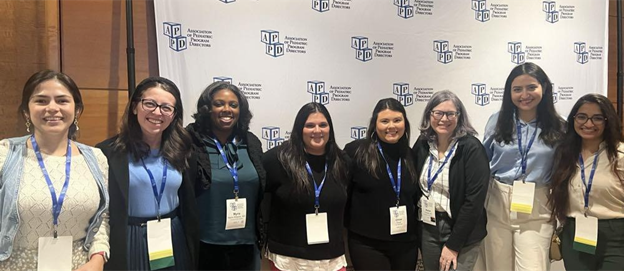 We are thrilled to welcome you to our pediatric residency program. We believe that
every child deserves the best start in life, and our commitment is to equip our pediatricians
with the knowledge, skills, and compassion to make that a reality. You will train
in a supportive and collaborative environment where everyone can contribute and succeed.
We are thrilled to welcome you to our pediatric residency program. We believe that
every child deserves the best start in life, and our commitment is to equip our pediatricians
with the knowledge, skills, and compassion to make that a reality. You will train
in a supportive and collaborative environment where everyone can contribute and succeed.
Mobile, Alabama offers a unique blend of southern charm, rich history, and vibrant culture. Located along the Gulf Coast, Mobile boasts beautiful waterfront views, a thriving arts scene, and numerous outdoor activities. Our city is known for its warm hospitality and strong sense of community. Whether you're exploring the historic downtown area, enjoying a day at the beach, or attending one of our many festivals, Mobile has something for everyone.
We invite you to explore our website to learn more about our residency program, our team, and the opportunities available to you. We are excited about working with you and hope to welcome you to our community soon.
Haidee Custodio, MD, FAAP
Program Director, Pediatrics
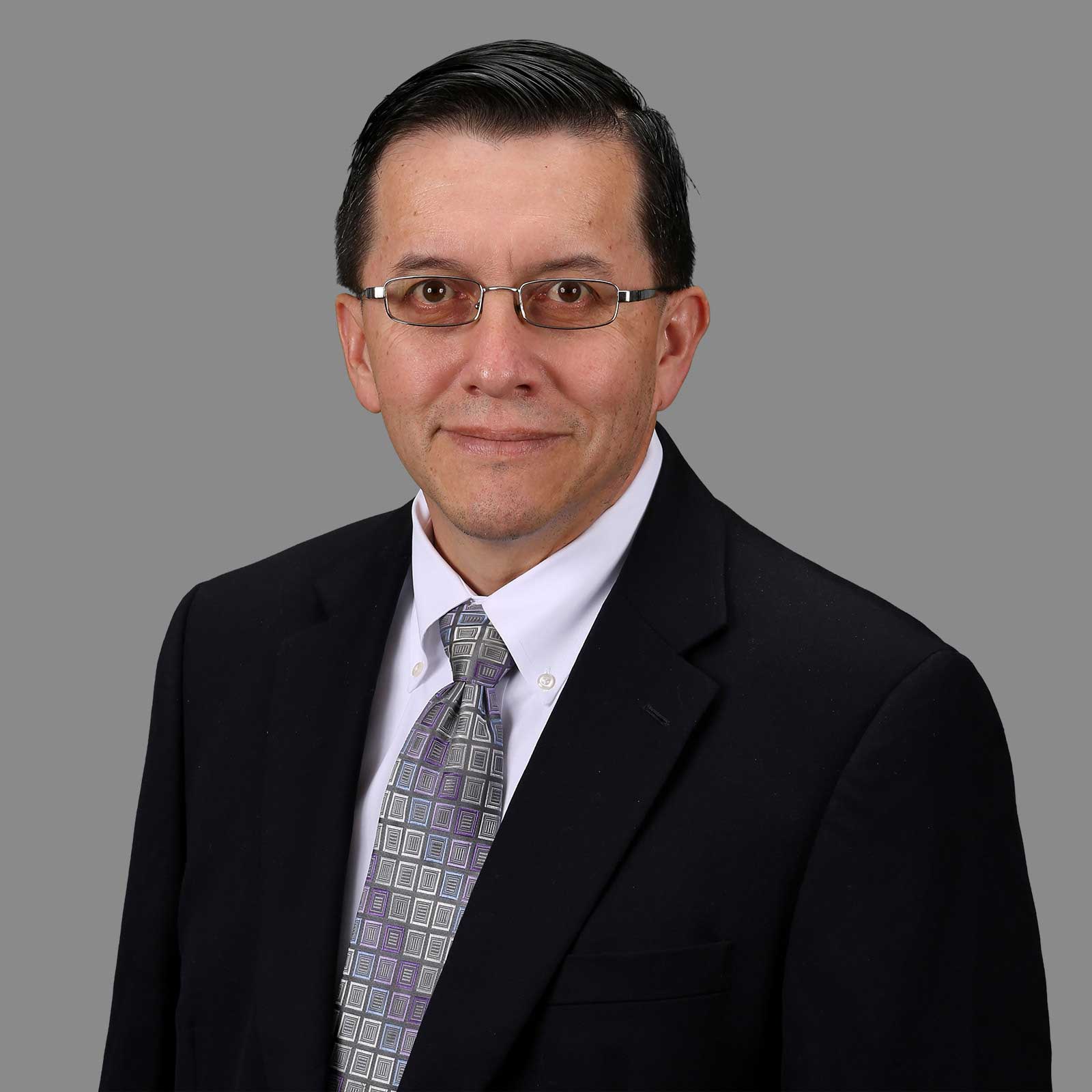
Benjamin Estrada, M.D.
Professor and Chair of Pediatrics
Benjamin Estrada, M.D., is professor and interim chair of the Department of Pediatrics at the University of South Alabama’s Frederick P. Whiddon College of Medicine, where he has been a faculty member since 1996. He specializes in pediatric infectious diseases.
A recognized leader in medical education, Estrada served as pediatric clerkship director for many years and played a central role in the college’s curriculum renewal efforts. He also holds an additional leadership position within the college of medicine as assistant dean for medical education and previously served as chair of the curriculum committee, where he helped shape a competency-based curriculum across all four years of medical training.
Nationally, Estrada has contributed to curriculum development through the Council for Medical Student Education in Pediatrics. Internationally, he has served as a medical education advisor to Universidad Francisco Marroquín in Guatemala. His work also includes initiatives in student coaching, telehealth, and interprofessional education.
As a clinical investigator, Estrada has served as site principal investigator or co-principal investigator in numerous multicenter trials sponsored by the NIH, AAP, and industry. Since 2019, he has contributed to the implementation of the HRSA-sponsored Primary Care Curriculum Pathway at the Whiddon College of Medicine.
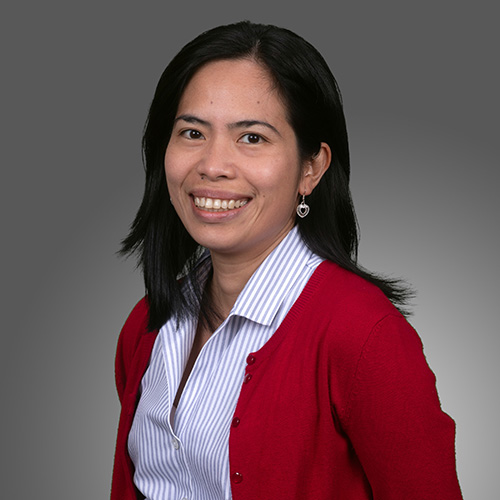
Haidee Custodio, M.D.
Program Director
Haidee Custodio is a Professor in Pediatric Infectious Diseases at the University of South Alabama College of Medicine.
She received her BS degree at the Jesuit school of Ateneo de Manila University and obtained her medical degree at the University of the East in the Philippines before proceeding to New York for her pediatric residency training at Nassau University Medical Center. Dr. Custodio did her fellowship training in Pediatric Infectious Diseases at the University of Florida in Jacksonville, FL.
Following her fellowship, Dr. Custodio moved to Mobile and rose to the rank of professor. She is actively involved in the teaching of residents and students and received several awards recognizing her endeavors. In addition to contributing peer-reviewed papers, book chapters, and review articles, she serves on regional and national committees.
Dr. Custodio loves to travel and explore what the world has to offer, whether it is getting lost in the mountains of Alaska, watching rodeos in Wyoming, or catching red snapper in the Gulf.
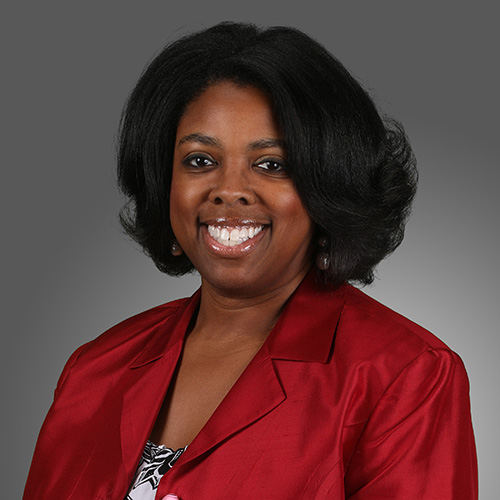
Myria Mack-Williams, M.D.
Associate Program Director
Dr. Myria Mack-Williams is an Assistant Professor of Pediatrics and an Associate Program Director in the Pediatric Residency Program at the University of South Alabama College of Medicine. Dr. Mack is a graduate of the University of Virginia where she earned her B.A. degree. She earned her medical degree from the Medical College of Pennsylvania in Philadelphia and subsequently completed her residency training in Pediatrics at Thomas Jefferson University Hospital/Alfred I. duPont Hospital for Children in Wilmington, Delaware. She is a fellow of the American Academy of Pediatrics.
Dr. Mack-Williams brings 20 years of generalist experience to her role as Associate Program Director for the USA Pediatric Residency Program. She has practiced pediatrics in various venues throughout her career including the Children’s Hospital of Philadelphia and Children’s Hospital New Orleans. She has been named Top Doctor of Pediatrics in Delaware and in Louisiana. She has served on the board of directors of multiple advocacy organizations as well as a member of the Quality Improvement Committee for Medicaid of Delaware. Dr. Mack is excited to share her clinical knowledge and expertise gained from her years in practice with the pediatric residents.
In her free time, Dr. Mack enjoys attending musical concerts, the theater, and traveling with her husband and family.
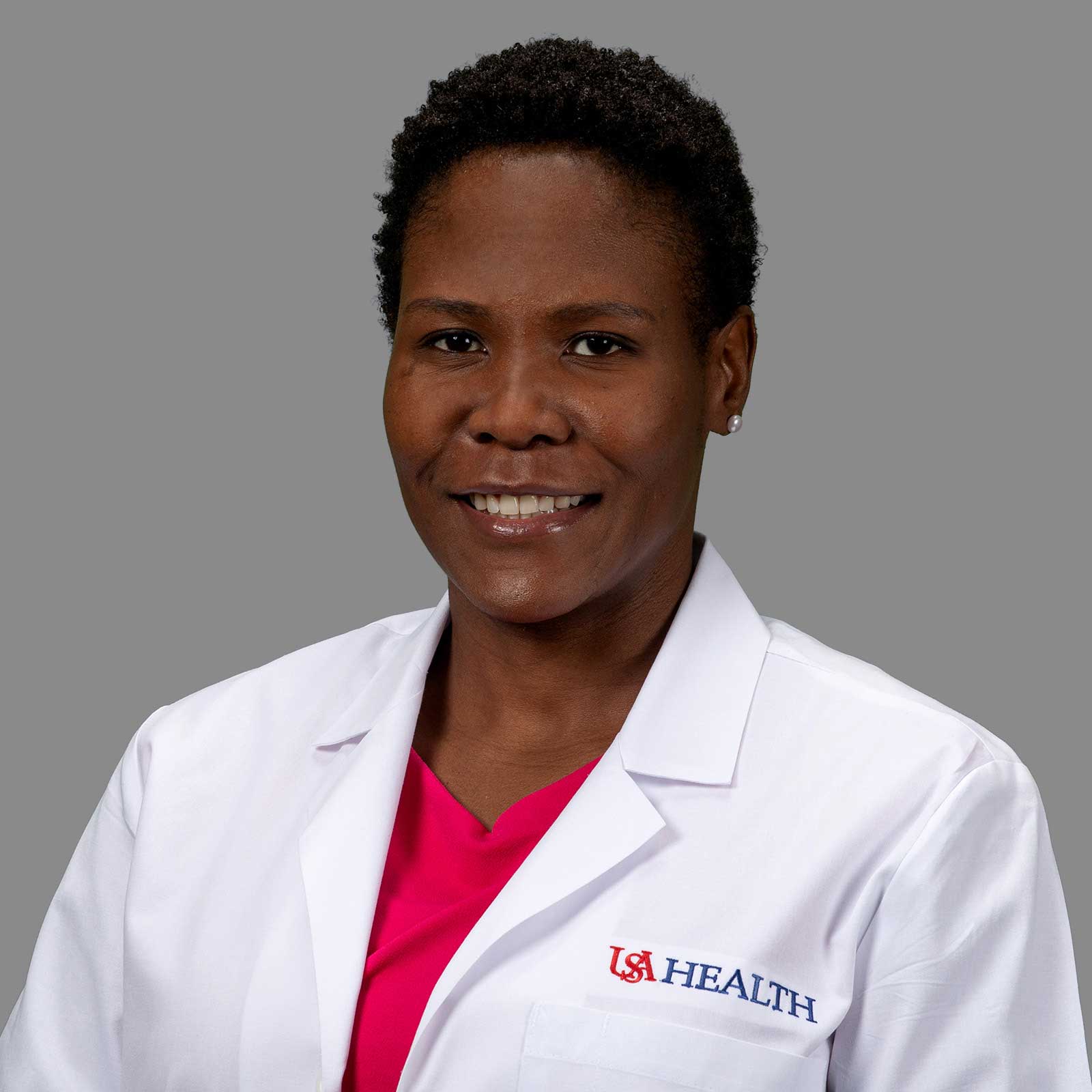
Nita Davis, M.D.
Associate Program Director
Nita Davis, M.D., is an associate professor of pediatrics, Division of Critical Care and an associate program director in the Pediatric Residency Program.
She received her Bachelor of Medicine, Bachelor of Surgery degree (MBBS) at the University of the West Indies, Mona Campus in Jamaica. She then completed general pediatric residency and pediatric critical care medicine at Jackson Memorial Hospital in Miami, Florida. Davis went on to do an additional year of pediatric cardiac critical care training at Children’s Hospital of Wisconsin in Milwaukee, Wisconsin. She also holds a Master of Science degree in computer-information systems and a graduate certificate in applied statistics from the University of South Alabama.
She is a strong believer in continuous growth through humble inquiry. She leads the pediatric residency simulation-based learning curriculum. In addition to residency education, Davis is passionate about preparing the next generation of clinicians to provide the best care for their patients. She enjoys teaching medical students about critical thinking skills during emergencies and biostatistics/epidemiology.
Outside of medicine, Davis enjoys playing tennis, listening to audiobooks and spending time with her family and friends.
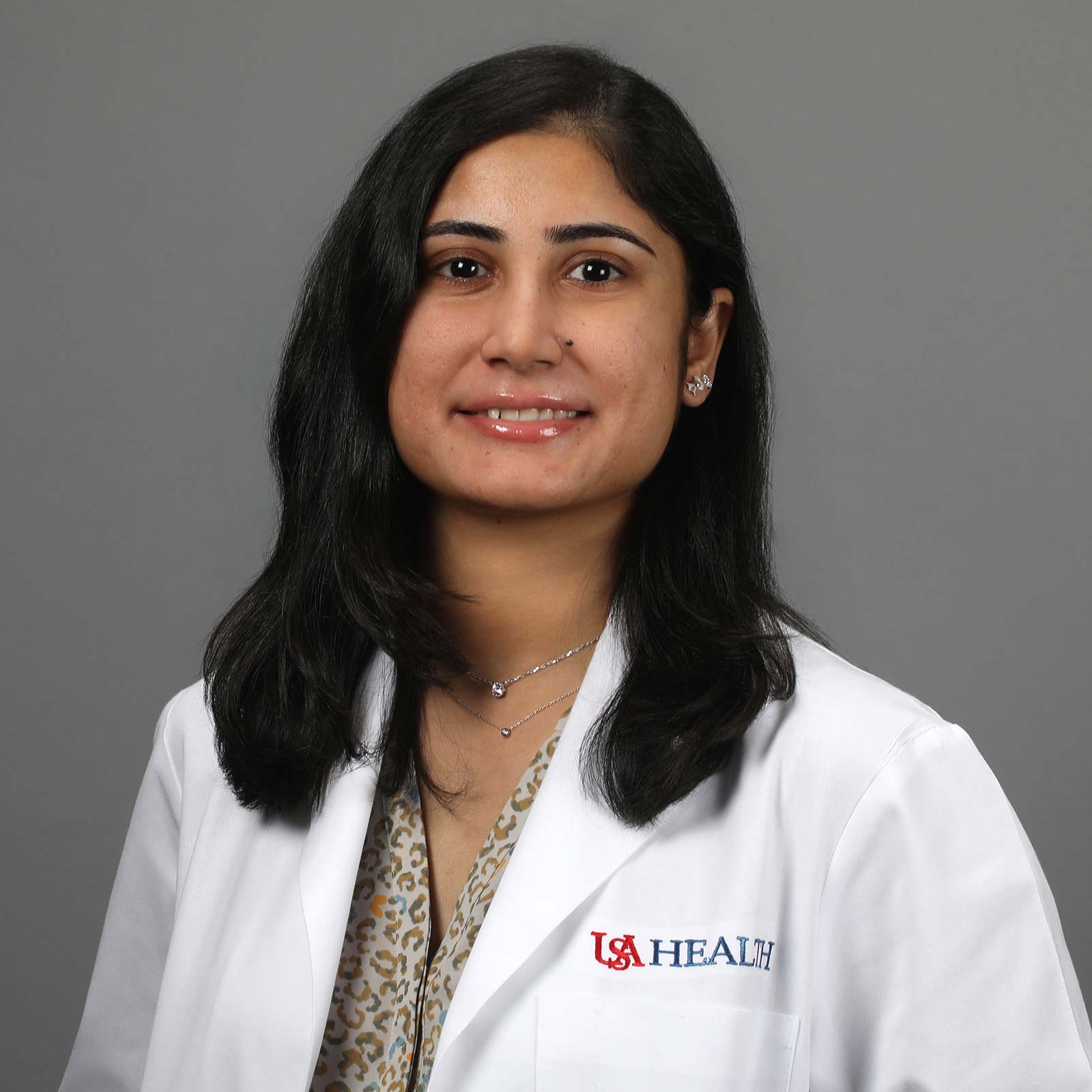
Shrisha Sandadi, M.D.
Pediatric Chief Resident
Sandadi was born in Hyderabad, India, where she earned her medical degree from Gandhi Medical College. During her clinical clerkships, she developed an interest in Pediatrics and now aspires to become a pediatric gastroenterologist and transplant hepatologist.
Outside of medicine, she likes acrylic painting, exploring new cuisines, and staying connected with friends and family back home.
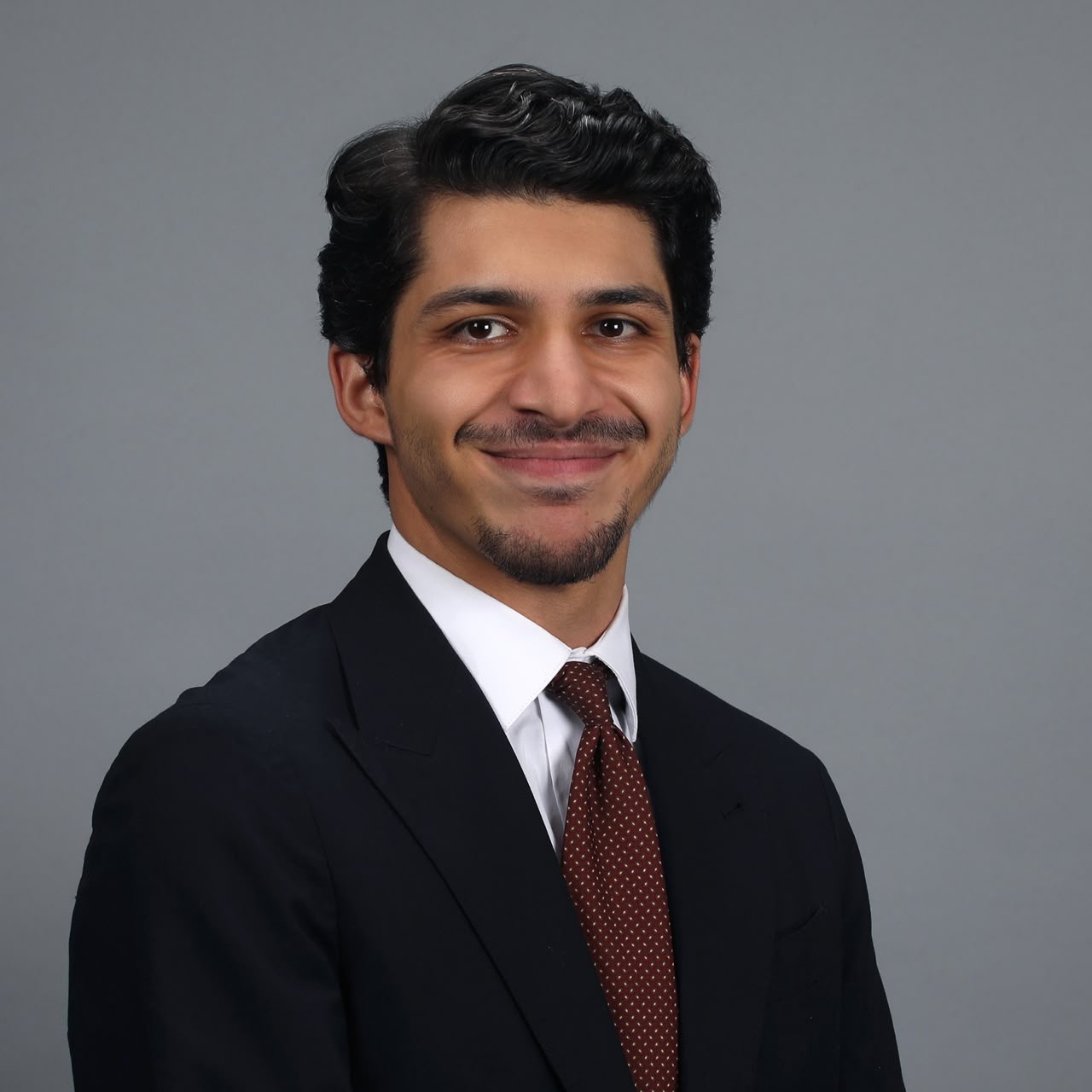
Abdulrahman Bader, M.D.
Pediatric Chief Resident
Born and raised in England and proud of my Libyan heritage. Growing up across different cultures has shaped the way Dr. Bader connected with patients and colleagues alike, allowing me to relate to others in a unique way.
Seeing his father, Dr Abdulgader Bader dedicate his life to Pediatrics inspired me to pursue a similar career path. Long-term, he hoped to pursue a career in Cardiology because of the unique blend of physiology, imaging, procedures, and the opportunity to build lifelong relationships with patients and their families.
Outside the hospital, he is known as a big sports fan. Whether it's soccer, basketball, or pickleball, he is always up for a game! Outside of sports, experimenting with new recipes in the kitchen, or enjoying a good book are ways I like to unwind. Dr. Bader also loves traveling and experiencing different cultures—something that's been a constant throughout my life and continues to influence both his personal and professional journey.
Fun fact: He can name every country that has won the World Cup from 1930 to 2026.
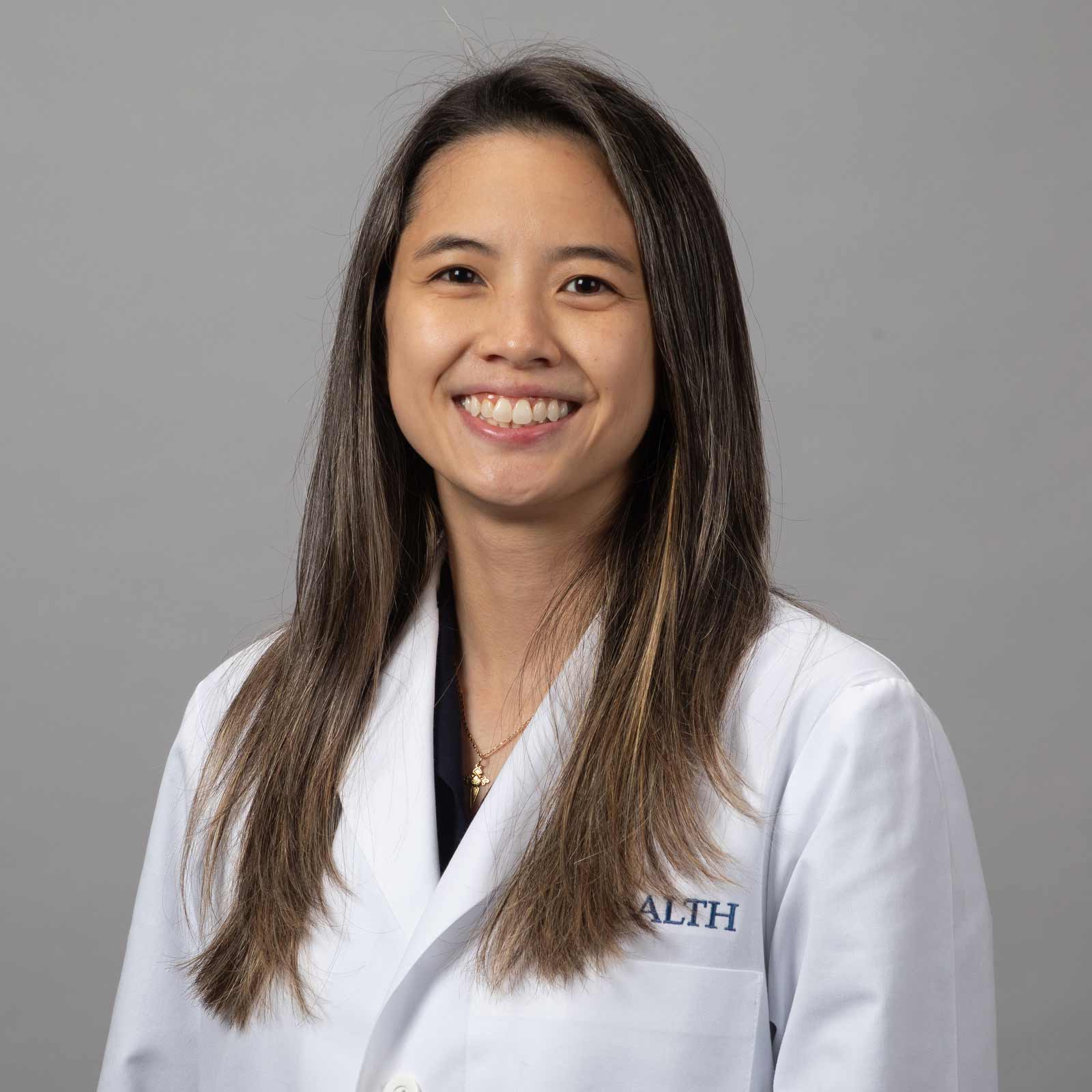
Rachelanne Talatala, M.D.
Pediatric Chief Resident
Dr. Talatala is a Chief Resident in pediatrics with a distinct clinical focus on pediatric sports medicine. Born in Los Angeles and raised in Dallas, she completed her Bachelor of Science degree at UCLA before earning her medical degree from the University of the East in the Philippines. She is dedicated to helping children heal, stay active, and achieve their full potential, while building long-term, supportive relationships with patients and their families.
In her leadership role as Chief Resident, Dr. Talatala brings positive energy and mentorship to the program, fostering an environment centered on academic growth and professional excellence. Outside of her clinical responsibilities, she enjoys traveling, discovering new culinary experiences, attending music events, playing video games, and cuddling with her dog. Catch her playing the piano in the lobby!
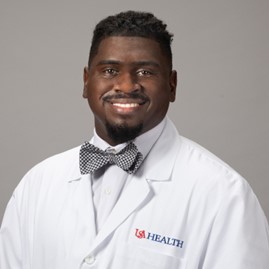
Carey Johnson, M.D.
Pediatric Chief Resident
Johnson was born and raised in Decatur, GA. He attended Tennessee State University in Nashville, TN, where he earned his Bachelor's and master's degrees in Biological Sciences. He moved to Mobile, AL to pursue his medical degree at the University of South Alabama. During medical school, he discovered his love for Pediatrics and Pediatric Gastroenterology. He plans to apply for a GI fellowship this year. His passion for medical education and his aspiration as a future program director is why he chose to apply to become a chief resident.
In his free time, he enjoys spending time with his wife and his newborn child. He enjoys playing video games and watching anime.
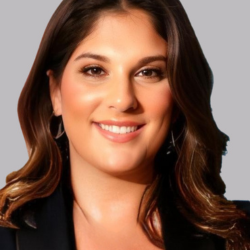
Nicole Adair, BSBM, MBA
Senior Pediatric Residency Program Coordinator
Nicole is a native of Mobile, Alabama. She received her Bachelor's of Science in Business Management from Huntingdon College, Montgomery Alabama. She has a diverse background in healthcare administration and education curriculum. Outside of work, she enjoys spending quality time with her 3 boys, husband and two doodles. In rare moments of downtime, you can find her relaxing at the beach or reading a good book.
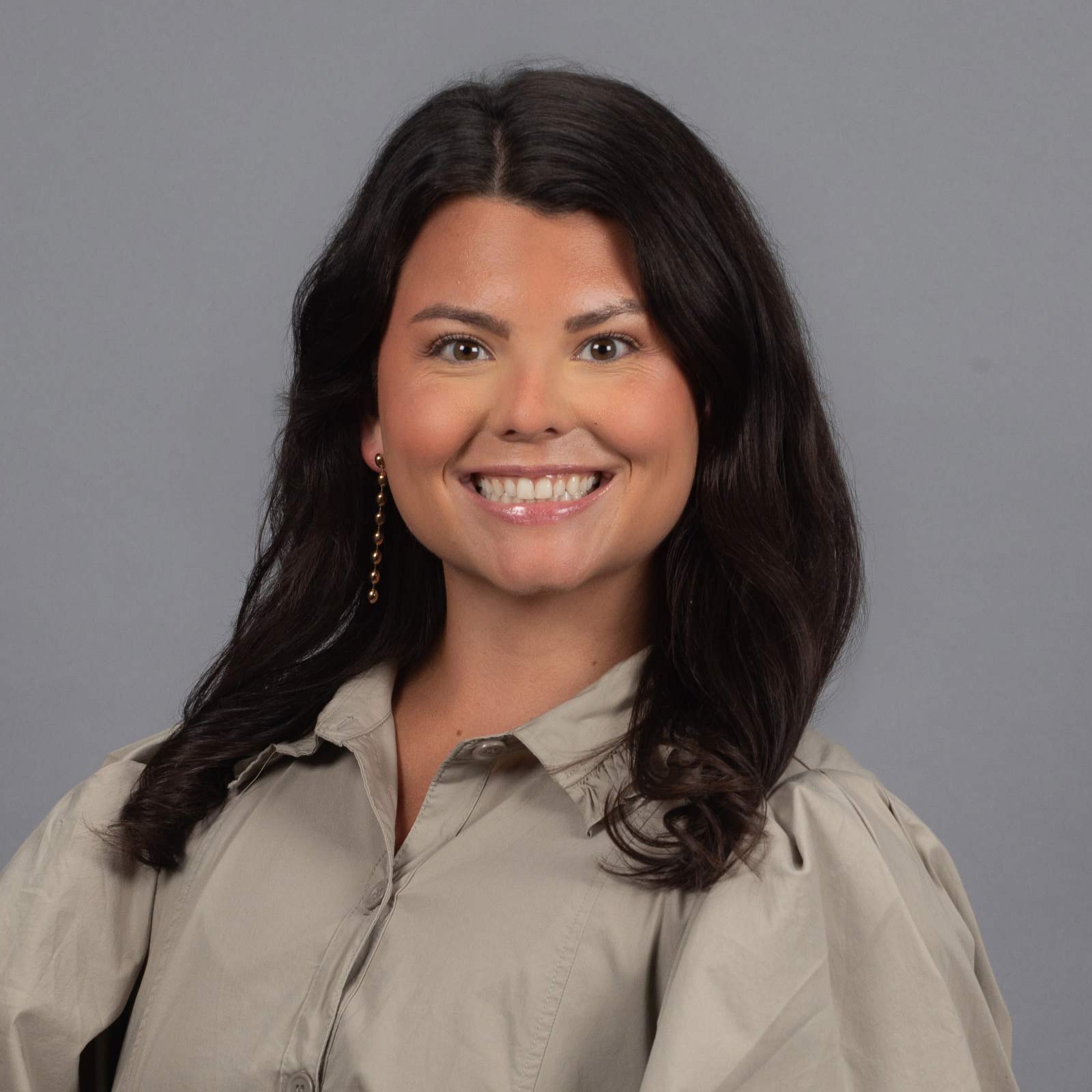
Chloe Deuel, BSBM, MPA
Junior Pediatric Residency Program Coordinator
Chloe was born and raised in Mobile, Alabama. After graduating from UMS-Wright Preparatory School in 2018, Chloe went to Auburn University and earned a Bachelor's degree in business administration. Outside of work she likes to go to the beach, hang out with friends and family and listen to podcasts.
Mission
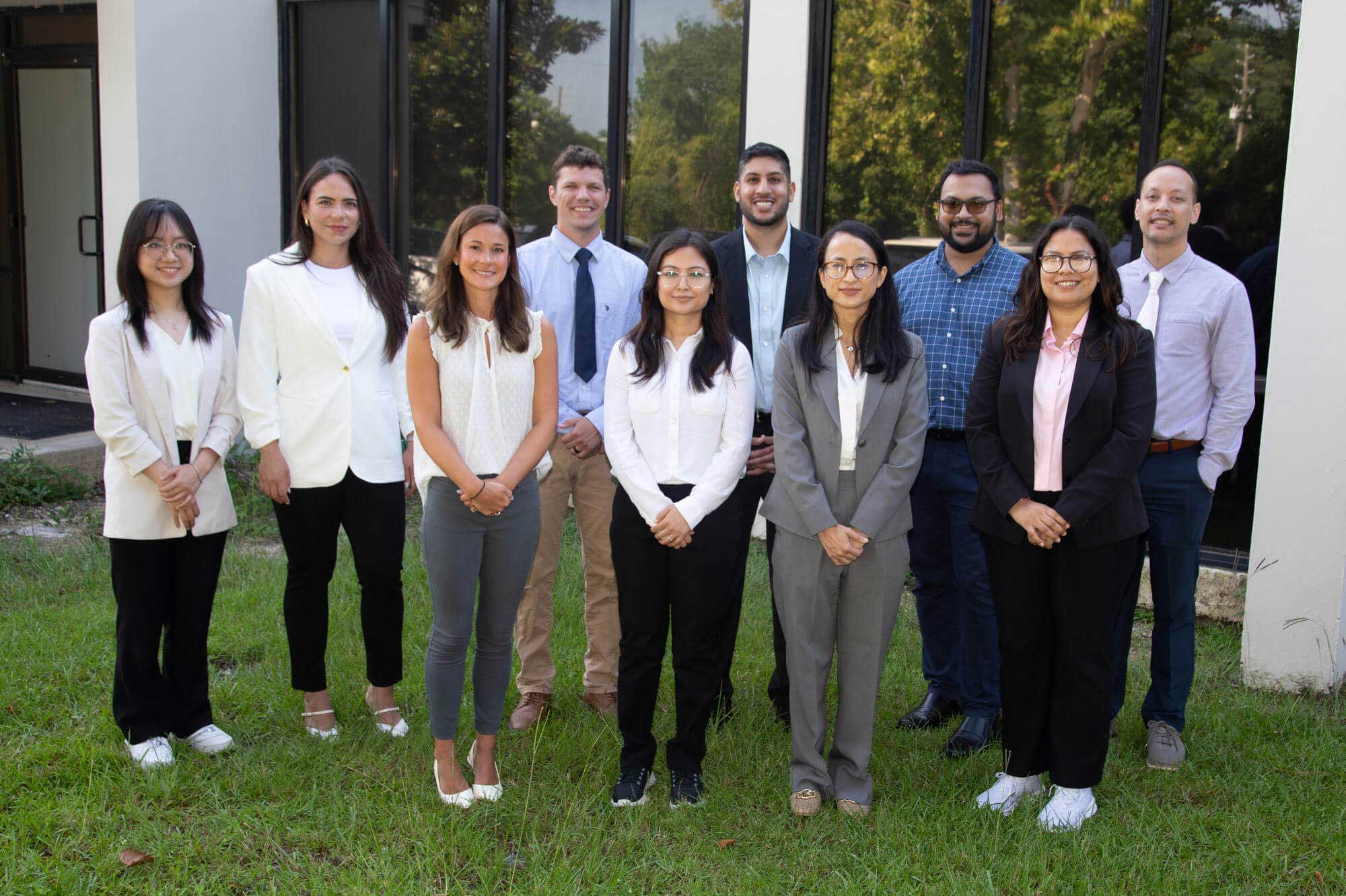
Our mission is to develop pediatricians who strive for clinical and academic excellence, are grounded in a strong professional identity, and demonstrate a commitment to community engagement and advocacy. Through comprehensive clinical training, mentorship, scholarship, and service, we prepare physicians to provide exceptional care for children and families while pursuing lifelong learning, leadership, and professional growth.
Overview of the Program
The University of South Alabama Pediatric Residency Program combines the resources of an academic medical center with the supportive culture and individualized mentorship of a medium-sized training program. We are committed to preparing residents for successful careers in general pediatrics, pediatric subspecialties, academic medicine, advocacy, and community leadership.
Located at USA Health Children's & Women's Hospital, the region's only freestanding hospital dedicated to the care of women and children, residents care for a diverse patient population and gain experience across the full spectrum of pediatric medicine.
One of the defining strengths of our program is the close relationship between residents and faculty. Our faculty maintain an open-door culture that promotes collaboration, mentorship, professional growth, and resident well-being. Because there are no pediatric fellowships at our institution, residents work directly with attending physicians and benefit from progressive autonomy and meaningful hands-on experience throughout training.
Our program offers 12 categorical pediatric residency positions annually, along with 2-3 combined Internal Medicine-Pediatrics positions per class. This creates a close-knit learning community that fosters camaraderie while providing a diverse range of experiences, perspectives, and career goals.
Graduates pursue a wide variety of career paths. Over the past decade, approximately 45% have entered general pediatric practice and 55% have pursued fellowship training in pediatric subspecialties.
Curriculum and Learning Environment
Our curriculum is designed to develop clinically excellent pediatricians through progressive responsibility, hands-on learning, direct faculty mentorship, and meaningful patient care experiences. Residents learn in a collaborative environment that promotes curiosity, professionalism, self-reflection, and lifelong learning.
The residency utilizes a modified X+Y scheduling model that balances immersive inpatient training with dedicated ambulatory, subspecialty and elective experiences. Residents alternate between inpatient rotations and outpatient-focused experiences, allowing them to fully engage in each learning environment while maintaining continuity in outpatient education and patient care.
The curriculum provides comprehensive training across the full spectrum of pediatric medicine, including inpatient pediatrics, newborn medicine, critical care, emergency medicine, subspecialty pediatrics, ambulatory pediatrics, advocacy, scholarship, and community engagement.
A notable feature of our program is the absence of routinely scheduled 24-hour call shifts, allowing residents to focus on patient care, education, and wellness while maintaining a rigorous clinical training experience.
As the primary teaching site for the University of South Alabama College of Medicine, residents work closely with medical students throughout training. These experiences provide opportunities to develop teaching, mentorship, and leadership skills while reinforcing clinical knowledge and fostering professional growth.
Example Rotation Structure
The block schedule below illustrates a representative residency experience. Our program utilizes a modified X+Y scheduling model, in which residents typically complete four weeks of inpatient, newborn, or emergency medicine rotations (X) followed by dedicated outpatient, subspecialty, elective, and individualized learning experiences (Y). Longitudinal ambulatory experiences occur every eight weeks, promoting continuity in primary care and ongoing relationships with patients and families.
Elective experiences provide residents with the flexibility to explore individual interests, pursue career goals, and gain additional exposure in areas that support future practice plans, whether in general pediatrics, subspecialty training, academic medicine, advocacy, or other professional pathways.
Specific rotations and scheduling may vary based on educational needs, elective choices, and individualized learning opportunities.
| Block | PGY-1 | PGY-2 | PGY-3 |
|---|---|---|---|
| 1 | Wards | PICU | Wards |
| 2 | DBP | Adolescent Medicine | Community Gen Peds |
| 3 | Neonatology | Wards | PICU |
| 4 | Acute Care Gen Peds | Chronic Care Gen Peds | Subspecialty/Elective |
| 5 | Wards | Neonatology | Wards |
| 6 | Vacation | Vacation | Vacation |
| 7 | Newborn Nursery | PICU Nights | Subspecialty/Elective |
| 8 | Subspecialty/Elective | Subspecialty/Elective | Subspecialty/Elective |
| 9 | Wards Night | Wards Night | Wards |
| 10 | Subspecialty/Elective | Subspecialty/Elective | Subspecialty/Elective |
| 11 | Wards | Subspecialty/Elective | Mental Health |
| 12 | Subspecialty/Elective | Subspecialty/Elective | Subspecialty/Elective |
| 13 | Emergency Medicine | Emergency Medicine | Emergency Medicine |
DBP – Developmental Behavioral Pediatrics; PICU – Pediatric Intensive Care Unit
Longitudinal Ambulatory Experience
Throughout residency, residents participate in longitudinal ambulatory experiences that focus on preventive care, chronic disease management, developmental pediatrics, behavioral health, and patient- and family-centered communication. These experiences also incorporate community engagement, advocacy, and population health initiatives through partnerships across the Gulf Coast region, helping residents better understand the communities they serve and the factors that influence child health.
Conferences and Board Preparation
Education extends well beyond clinical rotations. Residents participate in protected educational conferences designed to support both clinical excellence and board preparation.
Educational activities include:
- Case-based discussions
- Board review
- Journal club
- Subspecialty conferences
- Quality improvement education
- Professional development and wellness sessions
Residents are provided with board preparation resources, clinical reference materials, and point-of-care tools that support patient care, self-directed learning, and preparation for the American Board of Pediatrics certifying examination.
 Simulation, Procedures, and Point-of-Care Ultrasound
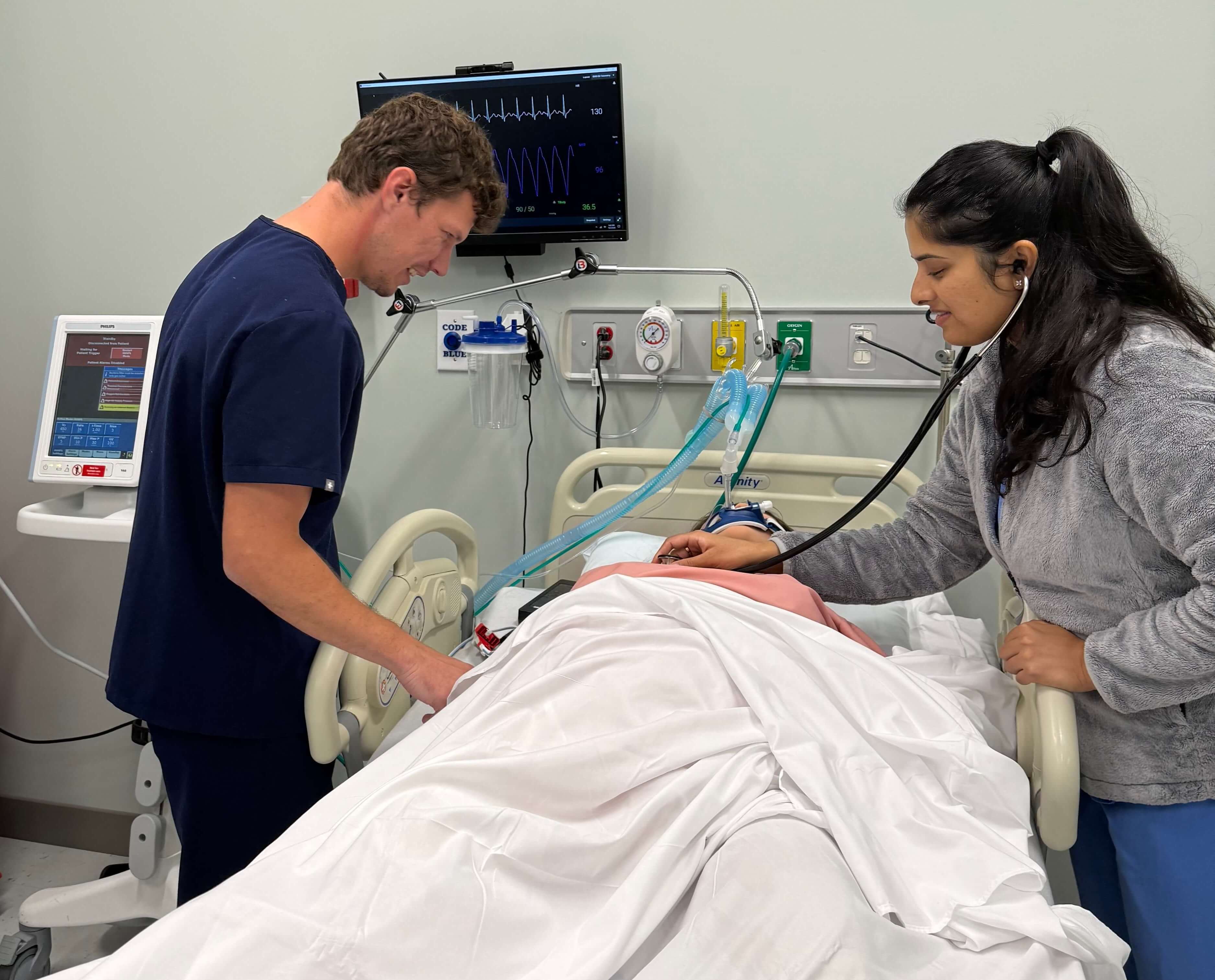
Simulation is a cornerstone of our curriculum. Residents train in a modern simulation center that provides opportunities to develop clinical reasoning, communication skills, teamwork, and procedural competence in a safe, supportive learning environment.
Educational experiences include:
- Weekly simulation sessions incorporating pediatric emergency scenarios, resuscitation training, difficult conversations, family-centered care, and standardized patient encounters
- Objective Structured Clinical Examinations (OSCEs) designed to strengthen clinical reasoning and communication skills
- A comprehensive Intern Bootcamp that introduces new residents to core clinical, procedural, and communication skills as they transition into residency
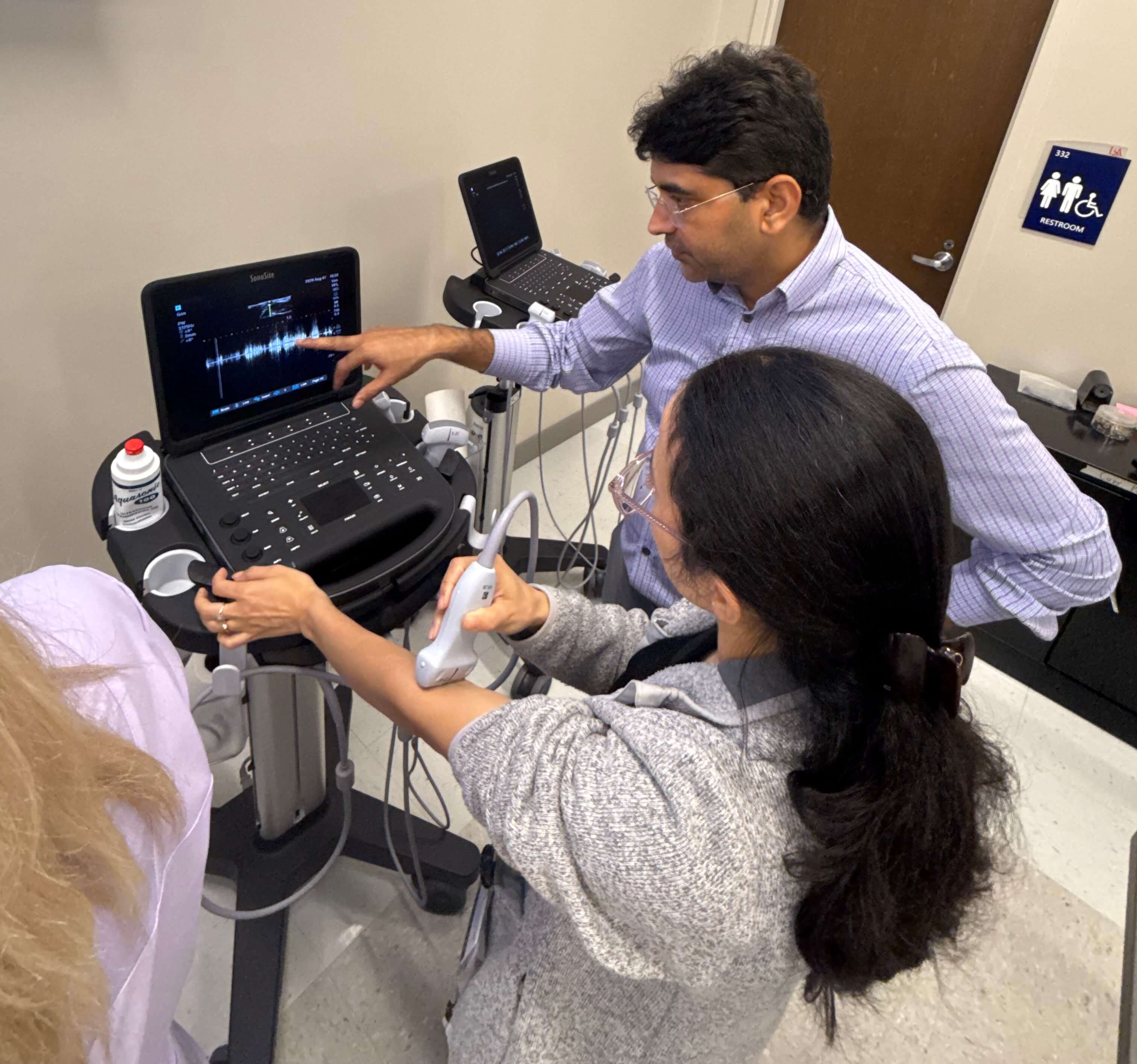 Procedural training is integrated throughout residency and allows residents to develop
confidence and competence in a wide range of pediatric procedures, including:
Procedural training is integrated throughout residency and allows residents to develop
confidence and competence in a wide range of pediatric procedures, including:
- Lumbar puncture
- Incision and drainage
- Foreign body removal
- Laceration repair
- Peripheral vascular access
- UAC/UVC placement
- Nasogastric tube placement and management
- Foley catheter placement
- Airway devices and tracheostomy care
- Splinting and joint reduction
- Immunization and injection techniques
Residents also gain exposure to point-of-care ultrasound (POCUS) through a growing curriculum that introduces the principles and clinical applications of bedside ultrasound in pediatric practice.
 Advocacy and Community Engagement
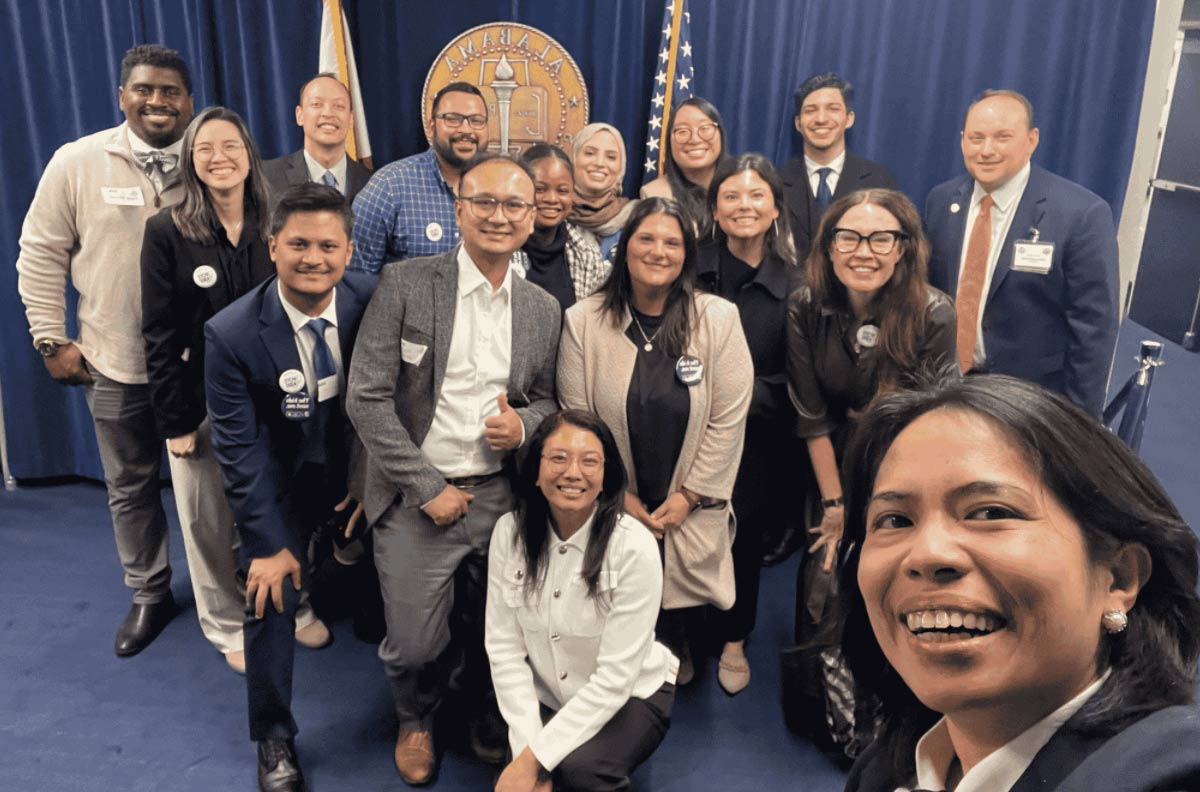
Advocacy and community engagement are integrated throughout residency training and reflect our commitment to improving child health beyond the hospital setting.
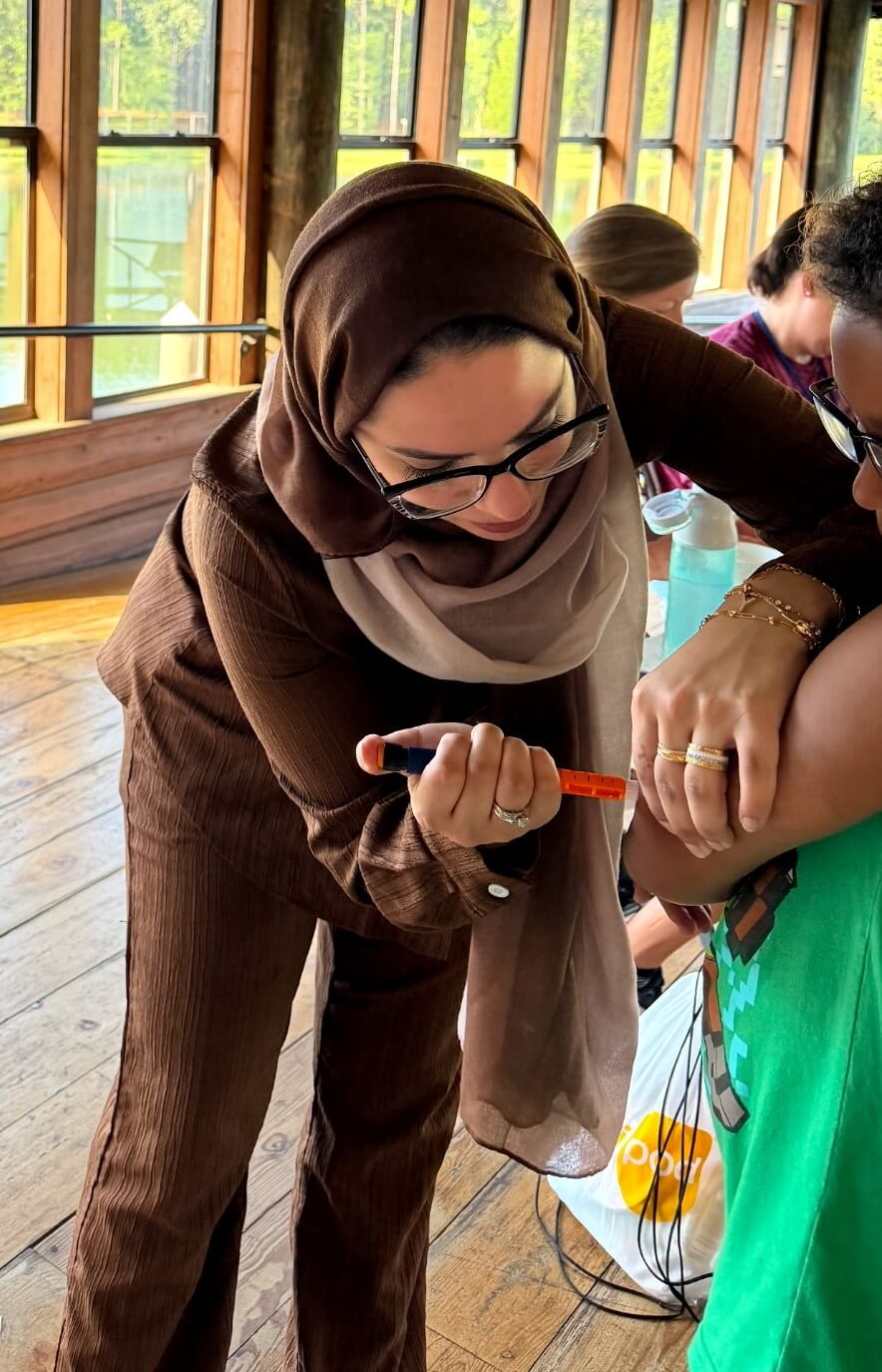 Through longitudinal ambulatory experiences and community partnerships, residents
engage with organizations and programs focused on child health, health equity, advocacy,
and population health. These experiences provide opportunities to better understand
the social, environmental, and systemic factors that influence the health of children
and families. Examples of community engagement experiences may include:
Through longitudinal ambulatory experiences and community partnerships, residents
engage with organizations and programs focused on child health, health equity, advocacy,
and population health. These experiences provide opportunities to better understand
the social, environmental, and systemic factors that influence the health of children
and families. Examples of community engagement experiences may include:
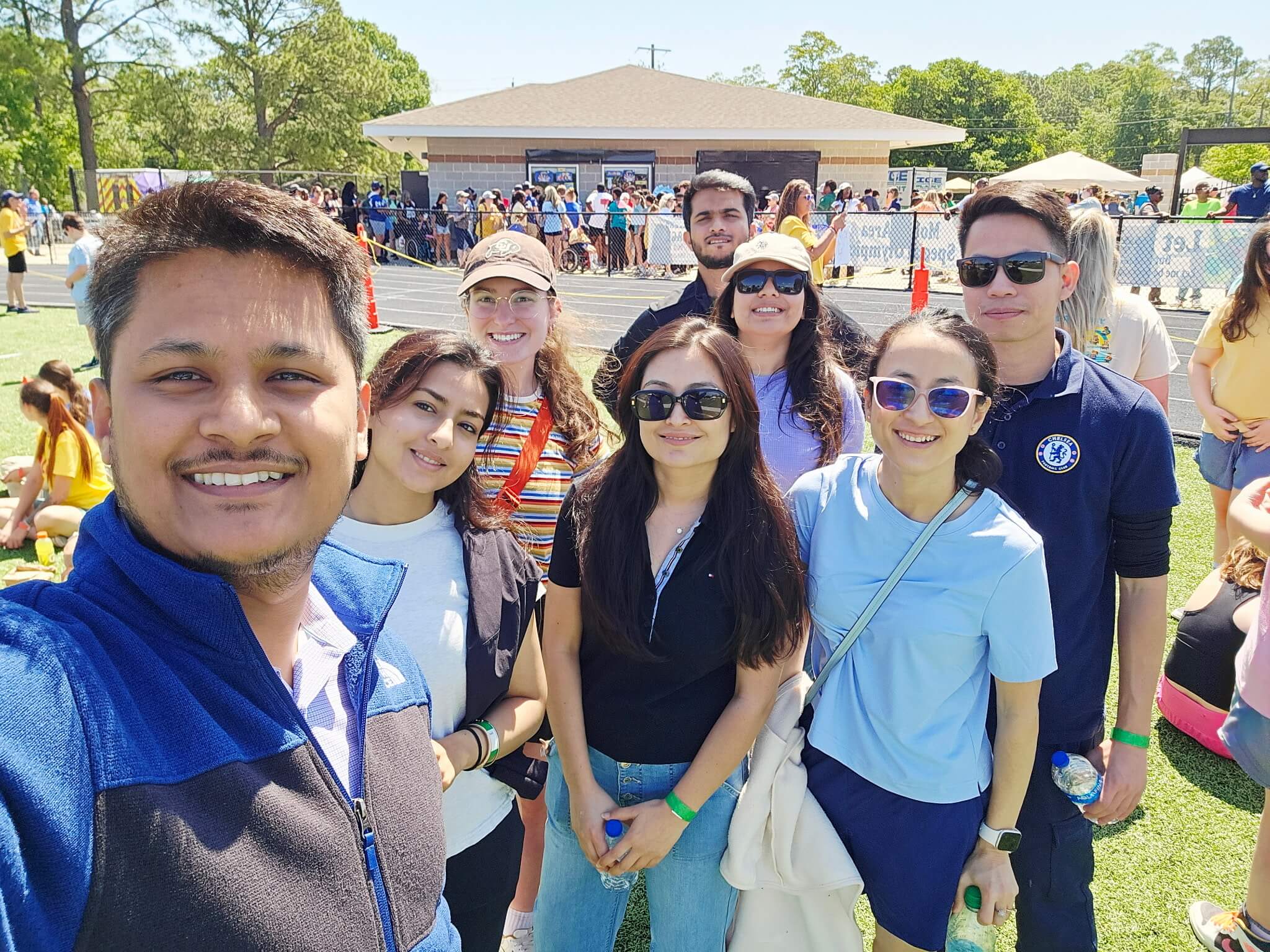
- Special Olympics
- School-based initiatives
- Summer medical camps
- Fetal and Infant Mortality Review activities
- American Academy of Pediatrics Legislative Day
Through these experiences, residents develop practical advocacy skills and learn to partner with community organizations to improve child health both within and beyond the healthcare setting.
 Scholarship and Professional Development
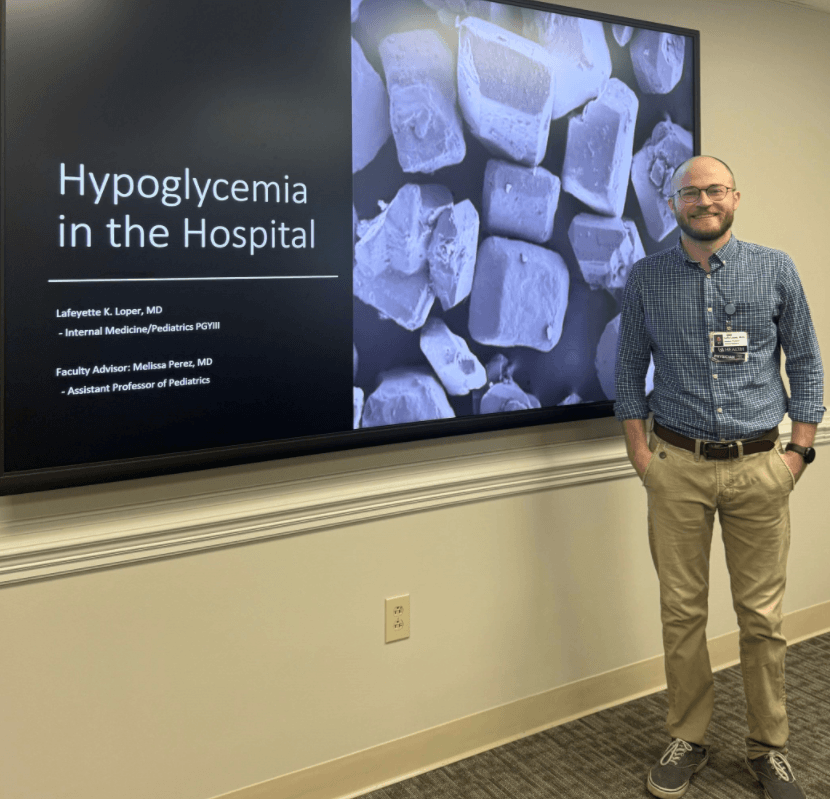
Scholarly activity is an integral component of residency training. Residents design, conduct, and present scholarly projects aligned with their individual interests, including clinical research, quality improvement, medical education, advocacy, and community health.
Faculty mentorship develops naturally through shared interests and collaborative projects. Residents gain experience in project development, study design, data analysis, presentation, and dissemination of scholarly work.
Resident scholarship is showcased annually at the Department of Pediatrics Research Day, with many residents also presenting their work at institutional, regional, and national meetings.
Throughout residency, residents also develop as educators and leaders. Through progressive responsibility, mentorship, scholarly activity, and the teaching of medical students, trainees build the skills needed to lead healthcare teams, advance pediatric practice, and serve their communities. This combination of structured educational experiences and individualized support prepares graduates for successful careers in pediatric practice, fellowship training, academic medicine, and community leadership.
 Building Resident Resilience and Wellness
At USA Peds, we are aware that residency will prove demanding even to those with advanced stress management skills. We provide many activities which foster resident wellness both inside and outside of the hospital.
Resident Activities
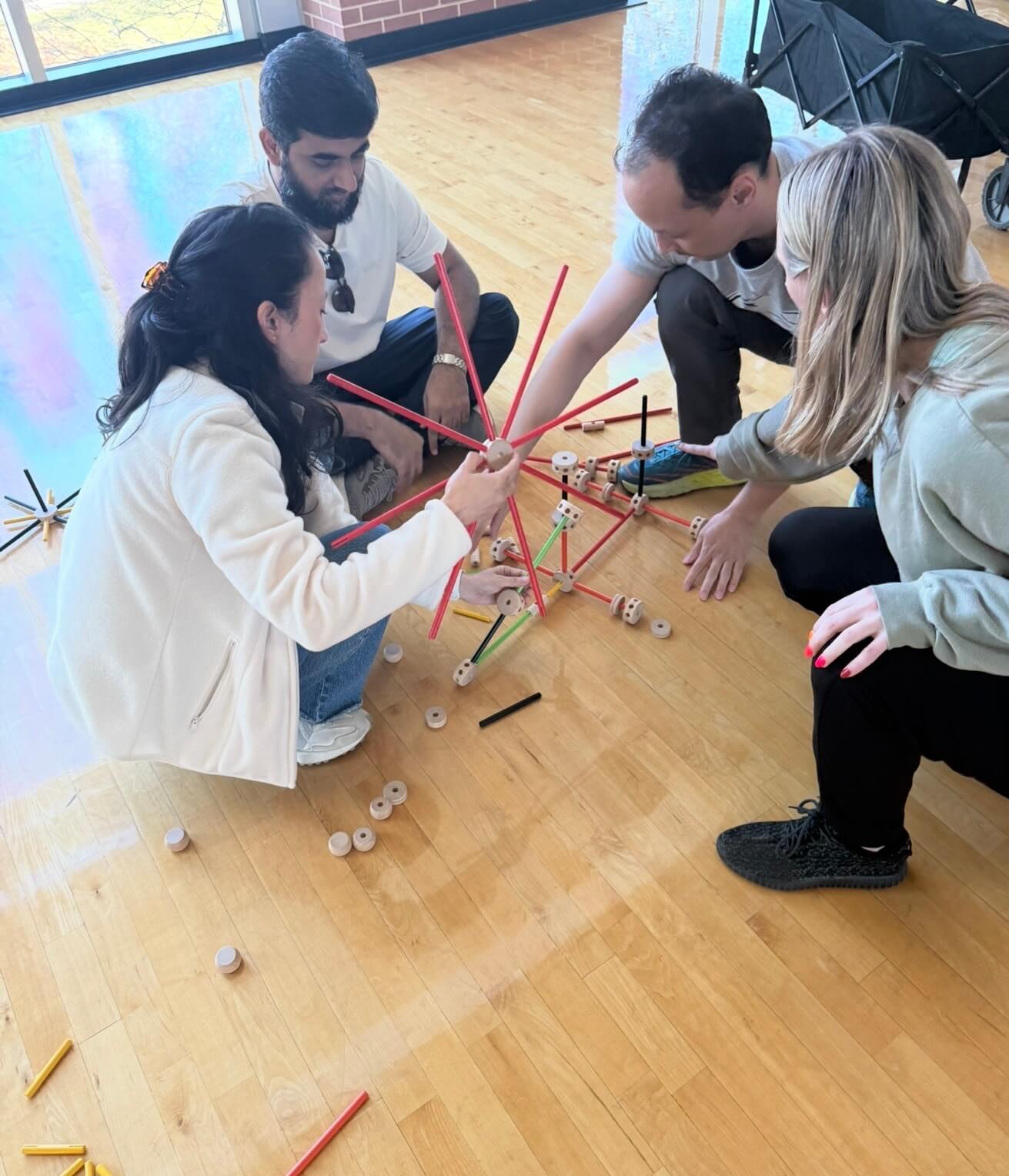 Wellness Retreats
All wellness retreats include Medicine/Pediatric residents to promote team-building.
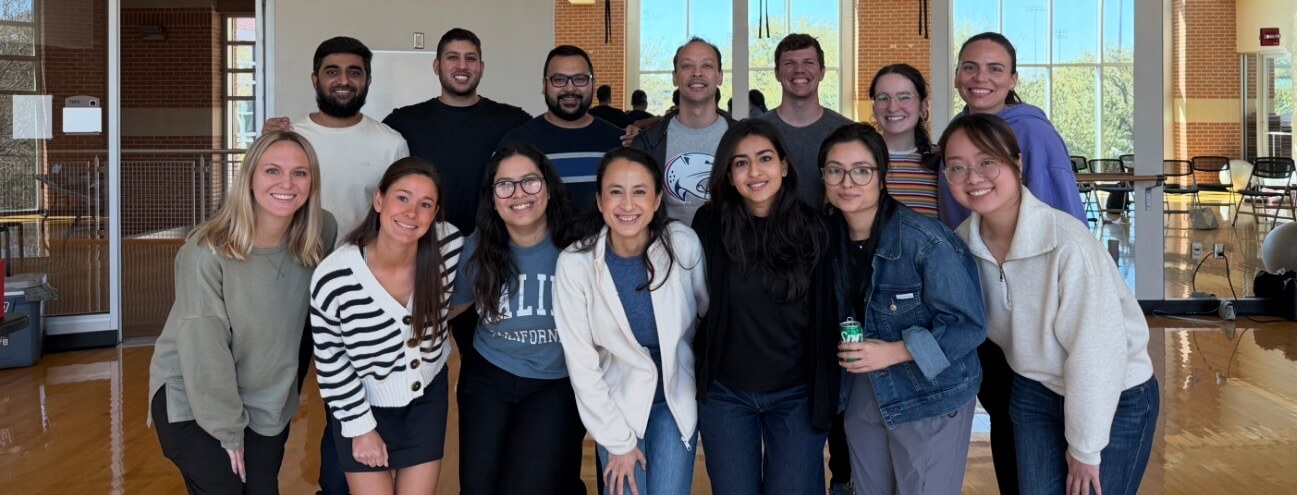
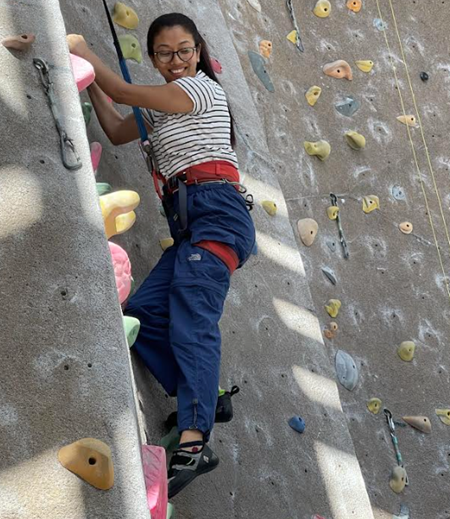
Residents are relieved of clinical duties to spend a day with one another at various locations in Mobile for a wellness retreat. Retreats include time for group discussion, outdoor exploration and team-building games.
Wellness Conferences
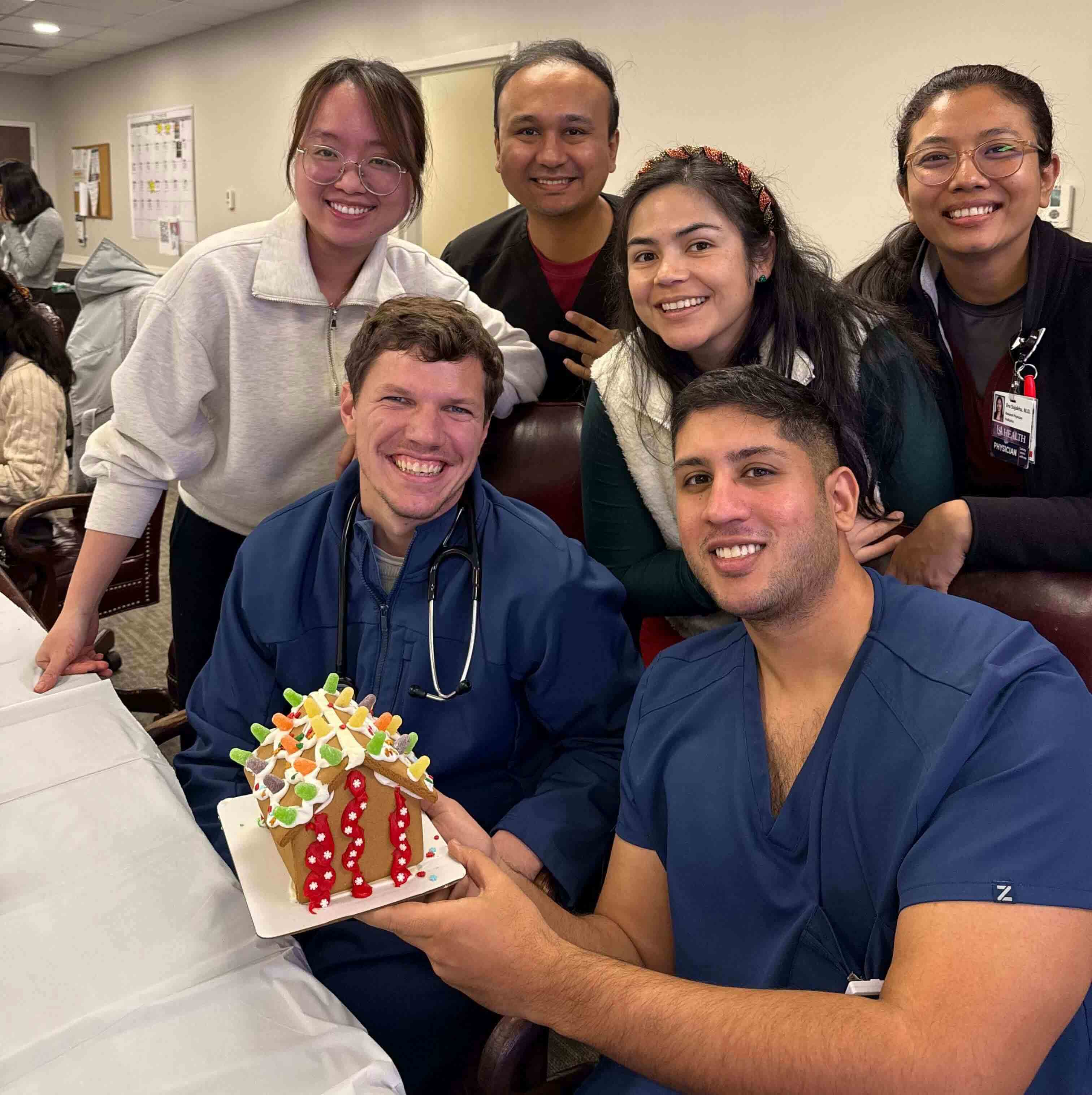
These conferences are planned throughout the year. Conferences consist of rock painting, yoga and shredding your stress.
The Wave Wellness Room
This room offers resources that are beneficial and offer tools for our residents to practice ongoing self-care and coping skills. Resources vary such as aromatherapy, calming music, dim lights, fidget tools and more.
 Fitness
The JagFIT gym, a new gym with both cardio and weight equipment/machines, is open 5 a.m. - 8 p.m. daily. Located near the residency office, staff and physicians are encouraged to utilize the gym for fitness and stress management.
For other well-being references please visit the GME Website.
Adolescent Medicine
- McGaw Medical
Cardiology
- The Children’s at Montefiore
- Children’s Hospital of New Orleans
- University of Miami
- Johns Hopkins University
Critical Care
- University of Buffalo
- University of Maryland Medical Center
Developmental- Behavior
- Case Western Reserve University/ Rainbow Babies and Children’s Hospital
Endocrinology
- Cincinnati Children’s Hospital
- Children’s Hospital of Philadelphia
- Nicklaus Children’s Hospital
- Louisiana State University Health Sciences Center
- University of Florida in Gainesville
- University of Pittsburgh Medical Center
- Texas Children’s Hospital
- Children’s Hospital of Los Angeles
Emergency Medicine
- Kentucky Children’s Hospital
- University of Florida in Gainesville
- University of Nevada
- Children’s Hospital of Michigan
Gastroenterology
- Children’s Mercy Hospital
- Massachusetts General Hospital
- Nationwide Children’s Hospital
- St. Louis Children’s Hospital
- Texas Children’s Hospital
- Phoenix Children’s Hospital
Genetics
- National Institute of Health
Hematology- Oncology
- Johns Hopkins All Children’s Hospital
- Memorial Sloan-Kettering
- New York University Langone Health
- Texas Children’s Hospital (TCH)
Infectious Disease
- Children’s National Hospital
- Cincinnati Children’s Hospital
- Children’s Hospital Colorado
Neonatology
- Cleveland Clinic
- East Carolina University
- Loma Linda University
- University of Iowa
- UT Health Science Center Children’s Memorial
Hermann Hospital - UT Southwestern Medical Center
Nephrology
- Stanford Children’s Hospital
Neurology
- UT Southwestern Medical Center
Pulmonology
- UC Irvine
Rheumatology
- Cincinnati Children’s Hospital
Sports Medicine
- Johns Hopkins All Children’s Hospital
According to the University of South Alabama Department of Pediatrics, the following fee structure applies to requests for postgraduate training verification:
- $100.00- Verification of training dates and/or program completion provided on our form, to be used for credentialing purposes only and issued in response to a request by a hospital or other agency with a valid authorization for release of information.
- $200.00- Verification of training dates and program specifics on training including procedures and narratives on resident performance provided on institution or agency’s form with a valid authorization for release of information.
- $25.00 Should notary be required on form.
Additional Fees (Email or Fax- No Fee)
- Overnight FedEx Shipping $40.00 (NO P.O BOX)
- Standard FedEx Shipping $15.00 (NO P.O BOX)
Payment by check made Payable to:
South Alabama Medical Science Foundation (SAMSF)
Checks are to be mailed to:
University of South Alabama Department of Pediatrics
ATTN: Pediatric Residency Program Coordinator
Nicole Adair
1700 Center Street – CWEB Room #1536
Mobile, AL 36604.
Requests submitted without payment will not be processed. Requests are to be specific and must be accompanied by an authorization for release form. If you have questions you may contact the Pediatric Education office at (251) 415-1087 or email Nicole Adair at nadair@health.southalabama.edu.
We encourage you to apply and interview with us.
Children's & Women's Hospital has the area's only Level III neonatal intensive care unit (NICU), admitting more than 1,000 infants a year to its 98-bed facility. Our Pediatric Emergency Department is also a Level III facility. As the hospital is the top provider for children in the area, pediatric patients are transferred up to 100 miles to receive care by our hospitalists, intensivists, hematologists-oncologists, and a variety of subspecialists.
Please view our enthusiastic healthcare community at the following sites:
USA Health Children's & Women's Hospital Facebook
USA Health Children's & Women's Hospital Instagram
Follow @USA_Pediatric_Residency on Instagram for content curated by our Pediatric Chief Residents.
How to Apply
We accept applications only via the Electronic Residency Application Service (ERAS) from the Association of American Medical Colleges, and all positions are offered through the National Residency Matching Program (NRMP).
At least three letters of recommendation are required; however, a letter from your pediatric department chair is not required. All applications received through ERAS are reviewed by the program director.
Applicants who are selected for interview will be invited through ERAS via email. Our residency program coordinator will send your itinerary and detailed instructions about your interview day. Please email pedsresidency@health.southalabama.edu if you experience any scheduling issues.
We interview applicants virtually during an AM or PM session. Applicants may select their desired session at the time of scheduling an interview. We look forward to getting to know you, introducing ourselves to you, and showing you the excellent training we offer.
There are no minimum cut-off scores for USMLE. For international graduates, graduating within the last three to five years is desired, and You must have a valid ECFMG certificate. We do not require U.S. experience. We sponsor J-1 visas only.
For our program, a complete ERAS application includes the following:
- MSPE (Dean’s Letter)
- Medical School transcript
- 3 letters of recommendation (with at least 1 from a pediatrician)
- USMLE or COMLEX scores
- Personal statement
Prior to beginning training, applicants must also:
- Provide passing Step 1 and Step 2 (CK) USMLE or Level 1 and Level 2 COMLEX scores
- ECFMG Certificate (if applicable)
Frequently Asked Questions
How can I apply to your program?
You must apply through ERAS.
Do you participate in the National Residency Matching Program?
Yes.
Is there a cut off from the date of graduation?
Yes, you should be within five years of graduation from medical school.
Is there an application deadline?
Yes, all applications must be received by the program by December 12th.
How many residents do you match each year?
We are currently approved for twelve categorical spots per year.
Do you accept COMLEX and USMLE scores?
Yes, we accept both COMLEX and USMLE scores.
What about Step 1 and 2?
There are no minimum cut-off scores for USMLE, we do take into consideration any failed attempt.
What does a typical application consist of for those who are invited to interview?
With your USMLE scores, letters of recommendation have the most weight upon the selection process and should include at least one from a general pediatrician. A letter from your pediatric department chair is not required. Honors in the pediatric clerkship, and a strong personal statement are also strongly considered. All applications received through ERAS are reviewed by the program director.
Do you offer observerships?
Our department does not process observerships.
International Medical Graduates
Do you take International Medical Graduates into your program?
Yes, we do.
Do I have to be ECFMG certified?
Yes, you must be ECFMG certified.
Do you sponsor or accept any visas?
Yes, we sponsor J1 visas. All applicants who match with us are responsible for all visa fees. All matched applicants must obtain a valid visa prior to intern orientation (approx. last week of June yearly). We encourage J1 visas for eligible matched applicants. We refer matched interns to the ECFMG website regarding all the necessary paperwork.
Do you sponsor H1-b visas?
No, we only sponsor J1 visas.
Does your institution accept an Employment Authorization Document (EAD)?
Yes, we do.
Is U.S. clinical experience required?
We do not require U.S. clinical experience to apply to our program.
USA Pediatric NRMP Program Number
Categorical Pediatric Residency: 1852320C0
For more information, please contact our residency program coordinator at pedsresidency@health.southalabama.edu.
Department of Pediatrics Residency Program
University of South Alabama
1700 Center Street
Mobile, AL 36604
Phone: (251) 415-1087
Email: pedsresidency@health.southalabama.edu
Faxes should not be used to send patient records.
Instagram: @usa_pediatric_residency